 Pin to Board
 The first time I assembled a veggie board, I wasn't trying to be trendy—I was genuinely tired of the same old sandwich routine and had a fridge full of random vegetables that needed rescuing. I threw together some cheese, crackers, and dips on a wooden board, and something magical happened: everyone at the table stopped talking and just started grazing, actually enjoying their lunch instead of rushing through it. That's when I realized this wasn't just a meal; it was an experience, a way to make eating vegetables feel less like an obligation and more like an adventure.
I made this board for a work potluck once, expecting it to sit there untouched while people gravitated toward the hot dishes. Instead, I watched coworkers I'd never really talked to huddle around it, debating whether the gouda or the mozzarella was the better pairing with the almonds. By the end of lunch, someone asked for the recipe, and suddenly this simple arrangement had become the star of the day.
Ingredients
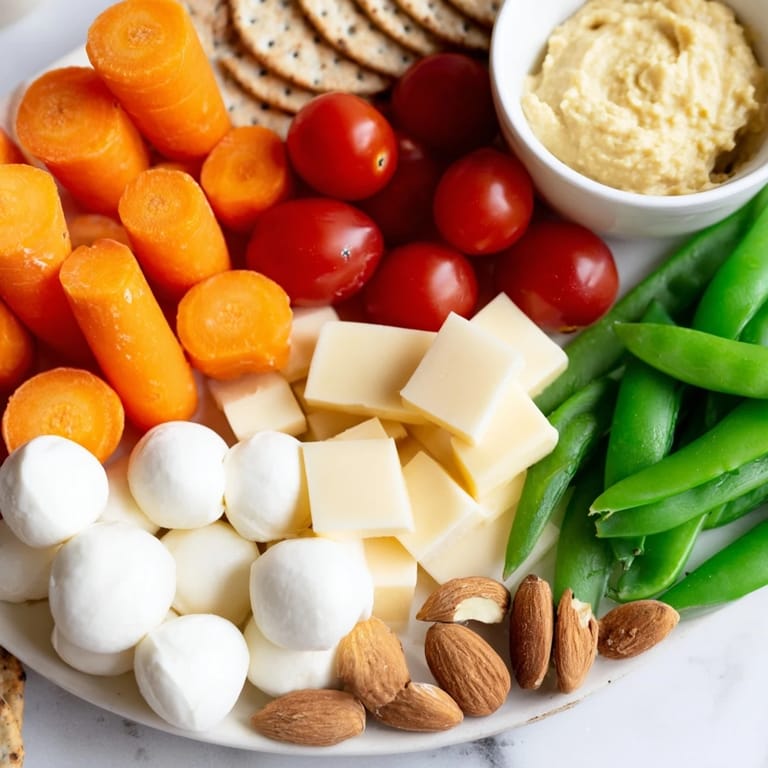
- Baby carrots: Buy them already trimmed if you're short on time; they're naturally sweet and don't need any prep beyond a quick rinse.
- Cucumber slices: Cut them thick enough that they hold their crunch and won't wilt before anyone eats them.
- Cherry tomatoes: Hunt for the ones that smell like tomato plants, not plastic; they make all the difference in flavor.
- Bell pepper strips: Mixing colors isn't just pretty, it gives you different flavor depths from sweet to slightly grassy.
- Sugar snap peas: These are your texture game-changer, snappy and slightly sweet in a way that surprises people.
- Hummus: Make your own if you have time, or buy the kind without the weird oils floating on top.
- Ranch dressing or Greek yogurt dip: Greek yogurt dip tastes lighter and lets the vegetables shine, but ranch is the crowd-pleaser that nobody questions.
- Cheddar cheese, cubed: Cut into bite-sized pieces so people don't have to work too hard; older cheddar has more flavor if you can find it.
- Mozzarella balls: They're creamy, mild, and somehow fun to eat in a way regular cheese isn't.
- Gouda or Swiss cheese, sliced: These add richness without overpowering the vegetables; gouda has a subtle sweetness that works beautifully.
- Whole grain crackers: They hold up better than delicate ones and add actual nutrition to the board.
- Roasted nuts: Almonds, cashews, or walnuts all work; just make sure they're salted so they contrast with the fresh vegetables.
- Olives: Get pitted ones unless you enjoy the surprise of a pit mid-bite.
- Dried fruit: Apricots, cranberries, or figs add pockets of sweetness that balance the savory elements.
Tired of Takeout? 🥡
Get 10 meals you can make faster than delivery arrives. Seriously.
One email. No spam. Unsubscribe anytime.
Instructions
- Wash and prep your vegetables:
- Rinse everything thoroughly, especially the leafy parts where dirt hides. Pat them dry with a towel so nothing slides around on the board and they last longer in the fridge.
- Arrange vegetables in sections:
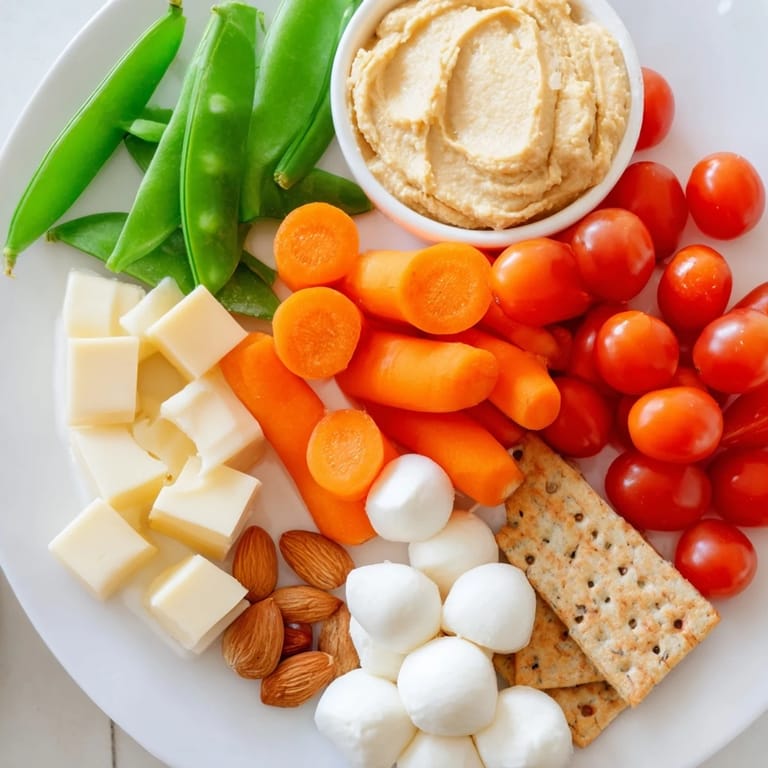
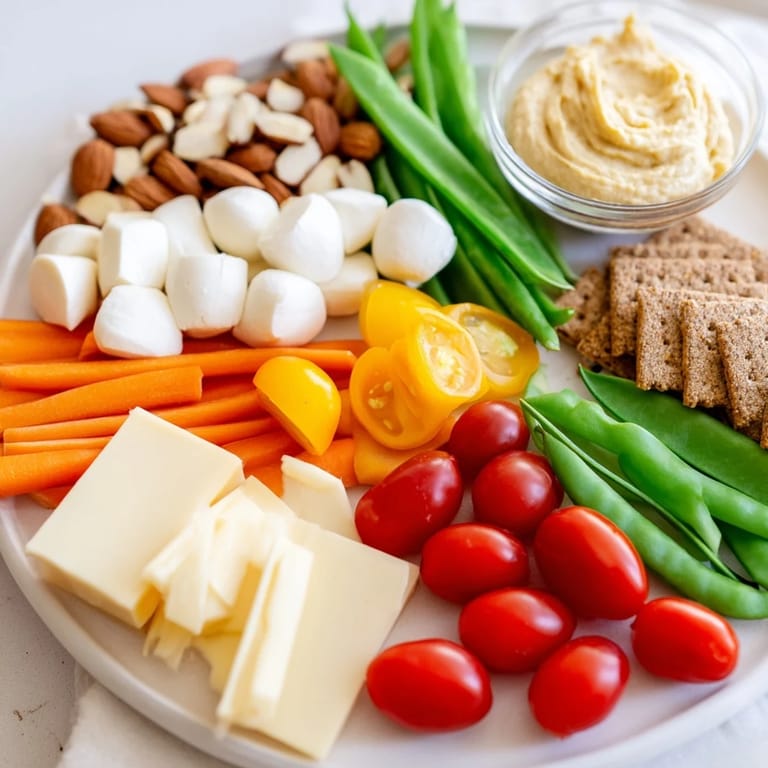
- Don't stress about perfection here—the goal is visual interest and making it easy for people to grab what they want. Group similar colors or textures together so the board reads like a landscape.
- Position your dips:
- Use small bowls so the dips don't spill everywhere, and tuck them into spaces where they won't tip over. Leave enough room around them so people can actually access them without knocking over carrots.
- Layer in the cheese:
- Create little clusters of different cheeses so people can taste-test combinations. The mozzarella balls especially look nicer when they're grouped together.
- Fill the gaps strategically:
- Crackers, nuts, olives, and dried fruit are your board's punctuation marks. Scatter them where there are empty spots, but don't pack it so tight that nothing looks inviting.
- Serve or store:
- If you're eating within a couple of hours, leave it out. For later, cover it loosely with plastic wrap so the vegetables don't dry out, but the board stays accessible.
 Pin to Board
 There was something unexpectedly grounding about watching my kids build their own plates from this board, choosing combinations I never would have thought of and actually asking for seconds on vegetables. It felt less like I was feeding them and more like I was giving them permission to enjoy eating, to make choices, to experiment. That shift from "eat your vegetables" to "which vegetables are you excited about?" changed everything.
The Art of Balance
A good board is about playing opposites: soft cheese next to crunchy crackers, sweet dried fruit beside salty nuts, cool vegetables with rich dips. Think of it like getting dressed—you wouldn't wear all silk, all denim, or all sparkle. The same principle applies here. Each element should have something to contrast with so your palate stays interested instead of getting bored or overwhelmed.
Make It Personal
The beauty of this board is that it's a framework, not a formula. Your board should tell something about what you love to eat. If you're obsessed with spicy things, add hot peppers and sriracha to the hummus. If you love everything pickled, lean into olives and pickled vegetables. If someone at your table is vegan, swap the cheeses for cashew cheese or nutritional yeast and use plant-based dip. The board only works when it reflects actual preferences, not some Pinterest version of what you think you should serve.
Storage and Timing Tips
Timing is everything with a board like this. Most vegetables stay crisp for about four hours at room temperature, maybe six if your kitchen is cool. The dips can be prepped in the morning, and the cheeses last indefinitely until something gets left out too long. The one thing that falls apart fastest is crackers—they'll soften if there's any moisture on the board, so add them last if you're preparing ahead.
- Keep vegetables on ice underneath the board if you're serving on a hot day.
- If something does wilt, toss it and refresh your board rather than pushing wilted vegetables around.
- Leftover vegetables work great in soups, salads, or roasted batches the next day.
 Pin to Board
 This board reminds me that sometimes the best meals aren't about technique or fancy ingredients, they're about making it easy for people to enjoy good food together. It's become my go-to when I want something nourishing that doesn't feel like work, and I hope it becomes yours too.
Common Questions
- → What vegetables work best for this board?
Fresh, crisp vegetables like baby carrots, cucumber slices, cherry tomatoes, bell pepper strips, and sugar snap peas bring vibrant color and texture.
- → Which dips complement the vegetables?
Hummus and ranch dressing or Greek yogurt dips offer creamy, savory pairing options that enhance fresh vegetable flavors.
- → What cheeses are recommended?
Cheddar cubes, mozzarella balls, and sliced gouda or Swiss cheese provide a variety of textures and mild to sharp tastes.
- → Can this board be customized for dietary needs?
Yes, use gluten-free crackers for gluten sensitivities and dairy-free cheeses with plant-based dips to suit vegan preferences.
- → How should the board be assembled for serving?
Arrange vegetables in sections, place dips in small bowls, cluster cheeses together, then fill spaces with crackers, roasted nuts, olives, and dried fruit for a balanced presentation.
- → How long can the board be stored before serving?
It can be assembled ahead and refrigerated, but serving immediately preserves the freshness and crunch of vegetables and crackers.