 Pin to Board
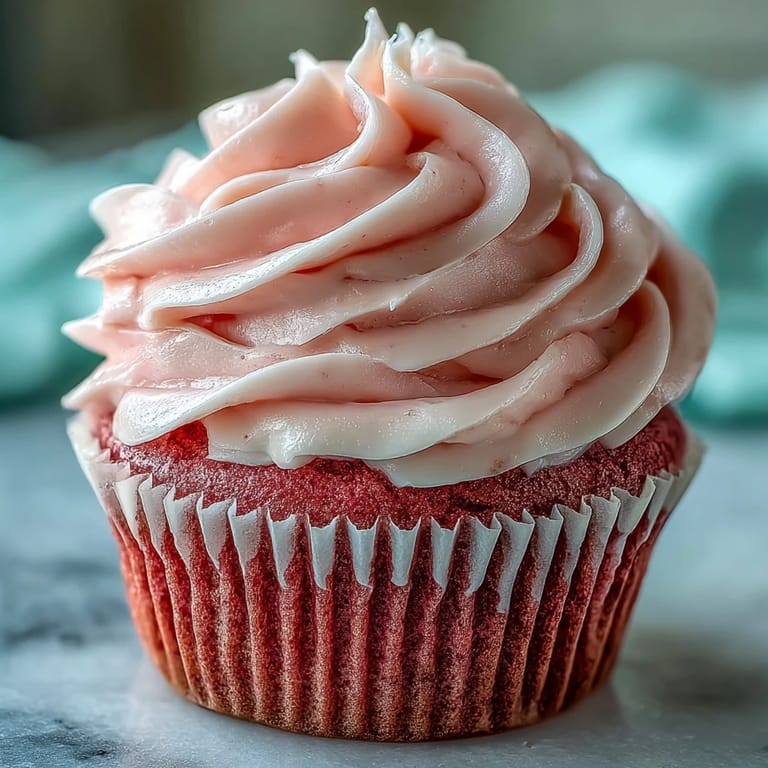
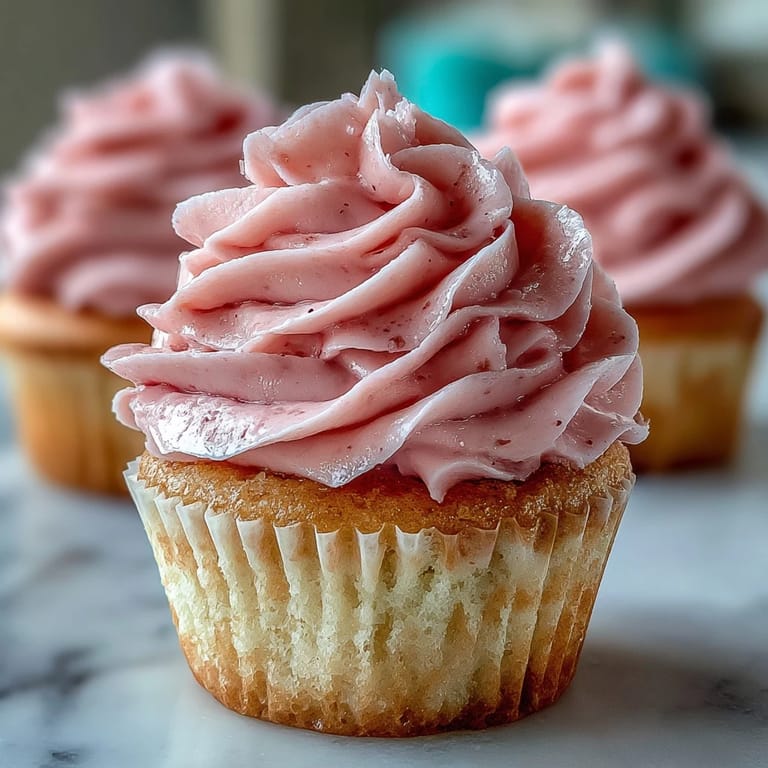
 My niece asked for pink cupcakes for her sixth birthday, and I panicked because I'd never made anything blush-colored that didn't taste like chemicals. I stumbled onto this recipe while testing batters in my kitchen at midnight, determined to get both the color and the flavor right. The first batch came out pale peach, the second too neon, but the third one glowed soft and rosy under my counter lights, and I knew I'd finally cracked it. The buttermilk tang balanced the sweetness so well that I ate two before I even frosted them. Now every spring celebration in our house starts with these cupcakes cooling on the wire rack.
I made these for a baby shower once, and the mom-to-be cried happy tears when she saw the soft pink swirls. She said they reminded her of her grandmother's birthday cakes, even though her grandmother never made cupcakes. Sometimes a color or a flavor just unlocks something in people. I watched guests go back for seconds, and one friend admitted she licked the frosting off the wrapper when she thought no one was looking.
Ingredients
- Cake flour: This makes the crumb impossibly tender and light; if you only have all-purpose, the cornstarch trick works beautifully.
- Baking powder and baking soda: The combo gives you that perfect dome and airy lift without any metallic aftertaste.
- Unsalted butter: Room temperature is non-negotiable here or your batter will curdle and the texture suffers.
- Granulated sugar: Creaming it with butter creates tiny air pockets that make each bite melt on your tongue.
- Egg: One large egg binds everything without making the cupcakes heavy or eggy.
- Buttermilk: The slight tang cuts through sweetness and reacts with the baking soda for extra rise.
- Vanilla extract: Pure vanilla adds warmth and depth; imitation just tastes flat in comparison.
- White vinegar: It helps activate the baking soda and keeps the crumb soft for days.
- Pink gel food coloring: Gel is more concentrated than liquid, so you control the shade without thinning your batter.
- Powdered sugar: Sifting it prevents lumps and makes the frosting impossibly smooth.
- Heavy cream: Just a splash loosens the buttercream to that dreamy, pipeable consistency.
Tired of Takeout? 🥡
Get 10 meals you can make faster than delivery arrives. Seriously.
One email. No spam. Unsubscribe anytime.
Instructions
- Prep your tin:
- Line the muffin cups with paper liners and preheat your oven to 350°F so everything is ready when your batter is mixed. This keeps you from rushing and overmixing later.
- Sift the dry ingredients:
- Whisk together the flour, baking powder, baking soda, and salt in a medium bowl until no clumps remain. Sifting aerates the flour and prevents dense spots in your cupcakes.
- Cream butter and sugar:
- Beat the soft butter for about a minute, then add sugar gradually and whip for 2 to 3 minutes until it looks pale and fluffy. This step traps air and creates that light, tender crumb you want.
- Add the egg:
- Pour in the lightly beaten egg on low speed, mixing just until it disappears into the batter. Toss in the vanilla and give it one more quick blend.
- Alternate dry and wet:
- Add one-third of the flour mixture, then half the buttermilk, then another third of flour, the rest of the buttermilk, and finish with the last of the flour, mixing gently after each addition. Scrape down the bowl between additions so nothing hides at the bottom.
- Tint the batter:
- Stir the vinegar and pink gel coloring together in a small cup, then drizzle it into the batter on low speed. Mix just until the color is even and soft pink.
- Fill the liners:
- Divide the batter evenly among the 12 liners, filling each about two-thirds full, then tap the pan gently on the counter to pop any air bubbles. This prevents cratered tops.
- Bake:
- Slide the pan into the oven and bake for 18 to 22 minutes, checking with a toothpick at the 18-minute mark. The tops should spring back when lightly pressed.
- Cool completely:
- Let the cupcakes rest in the pan for 5 minutes to firm up, then move them to a wire rack. Frosting warm cupcakes will melt your buttercream into a puddle.
- Make the buttercream:
- Beat the soft butter until creamy, then add powdered sugar gradually on low speed to avoid a sugar cloud. Once combined, crank it up to medium-high and whip in the vanilla, cream, and salt until the frosting is light and fluffy.
- Frost and decorate:
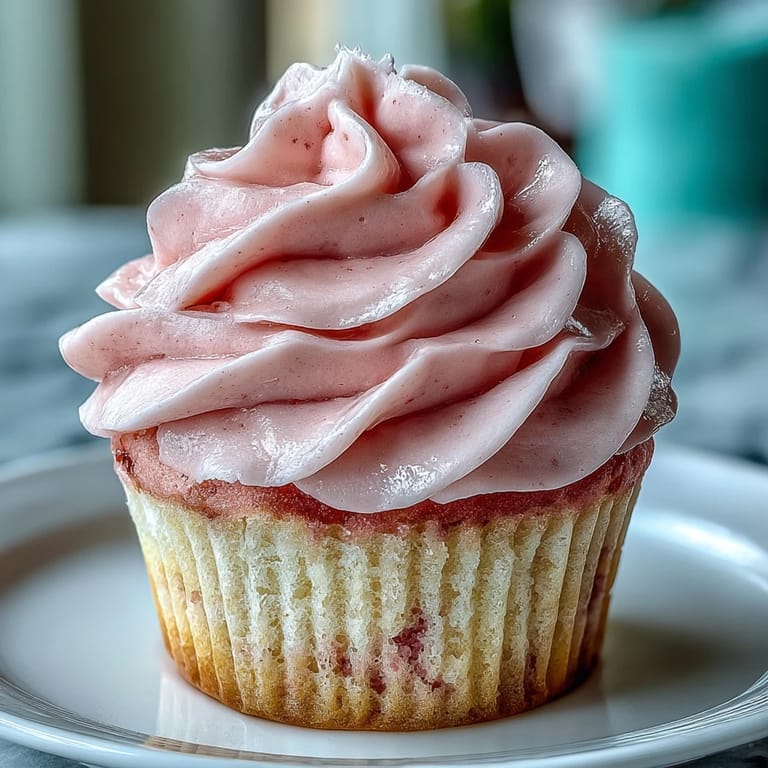
- Pipe or spread the buttercream onto each cooled cupcake, then finish with sprinkles or edible pearls if you like. Stand back and admire your work before anyone else gets to them.
 Pin to Board
 The first time I brought these to a potluck, three people asked if I'd ordered them from a bakery. I tried to play it cool, but inside I was doing a victory dance. One friend tucked an extra cupcake into her purse on the way out, and I took that as the highest compliment. That night I realized these cupcakes had earned a permanent spot in my rotation.
Getting the Color Just Right
Gel food coloring is worth every penny because liquid dyes water down your batter and make the color muddy. Start with half a teaspoon and add more if you want a deeper blush. I learned the hard way that adding it at the end with the vinegar distributes it evenly without overworking the batter. If you want a natural tint, beet powder works, but it adds an earthy note some people notice.
Storing and Make-Ahead Tips
Frosted cupcakes hold up at cool room temperature for about two days in an airtight container, but the frosting can weep in the fridge. If you need to make them ahead, bake and cool the cupcakes, then wrap them tightly and freeze for up to a month. Thaw them on the counter for an hour before frosting, and no one will know they weren't made that morning. I've done this for birthday parties more times than I can count.
Swaps and Variations
If you don't have buttermilk, stir a teaspoon of lemon juice or white vinegar into regular milk and let it sit for five minutes. For mini cupcakes, fill the liners halfway and start checking at 10 minutes because they bake fast. You can also swap two tablespoons of buttermilk for sour cream to get an even richer, denser crumb.
- Try raspberry extract in the frosting for a fruity twist that pairs beautifully with the pink color.
- Top with fresh raspberries or a single chocolate-covered strawberry for an elegant finish.
- For a fun surprise, tuck a small piece of white chocolate into the center of each cupcake before baking.
 Pin to Board
 These cupcakes have a way of turning ordinary moments into little celebrations, and I hope they do the same for you. Bake them once, and I promise they'll become your go-to whenever you need something sweet and special.
Common Questions
- → Can I make these cupcakes without food coloring?
Yes, you can omit the pink food coloring entirely for classic vanilla cupcakes, or use beet powder for a natural pink hue. The flavor will remain delicious either way.
- → What makes these cupcakes so tender and moist?
The combination of cake flour, buttermilk, and room-temperature ingredients creates an exceptionally tender crumb. The acid from buttermilk and vinegar also helps activate the leavening agents for a lighter texture.
- → Can I substitute all-purpose flour for cake flour?
Yes, you can make a cake flour substitute by sifting 1¼ cups all-purpose flour with 2 tablespoons cornstarch. This creates a lighter texture similar to cake flour.
- → How should I store leftover cupcakes?
Store frosted cupcakes in an airtight container at cool room temperature for up to 2 days. Avoid refrigeration as it can dry out the buttercream and cake.
- → Can I make mini cupcakes with this batter?
Absolutely! Fill mini cupcake liners halfway and bake for 10-12 minutes. This recipe will yield approximately 24-30 mini cupcakes, perfect for parties.
- → Why do I need to use room temperature ingredients?
Room-temperature butter, eggs, and buttermilk blend more evenly, creating a smoother batter and more consistent texture. Cold ingredients can cause the butter to seize and result in uneven baking.