 Pin to Board
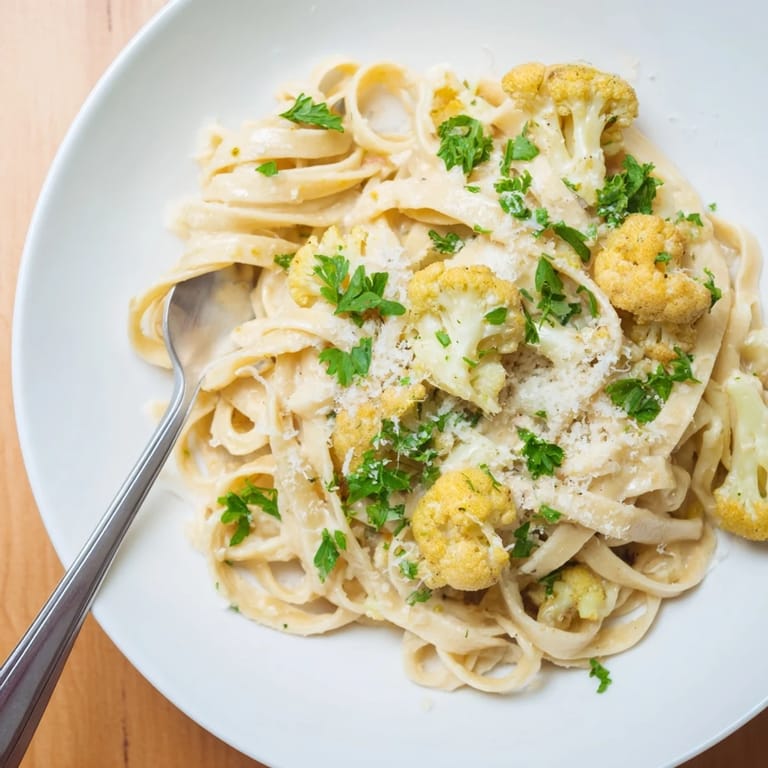
 My blender was still warm from the cauliflower when I realized I'd stumbled onto something that might actually fool my pasta-purist husband. The kitchen smelled like roasted garlic and toasted butter, and the sauce coating the spoon looked so silky I had to taste it twice. I wasn't trying to be virtuous or sneak in vegetables, I just wanted something lighter that still felt like a hug in a bowl. That first twirl of fettuccine proved me right. Sometimes the best recipes happen when you stop overthinking and just roast something until it tastes like comfort.
I made this for my sister after her yoga class once, and she kept asking what made it taste so rich. When I told her it was mostly cauliflower, she laughed and went back for seconds anyway. We sat on the porch with our bowls, twirling pasta and talking about how food doesn't have to be heavy to feel satisfying. That night it became our unofficial post workout dinner, the kind of meal that feels like a reward without the guilt. It's funny how a simple swap can turn into a tradition.
Ingredients
- Cauliflower: Roasting transforms it from bland to sweet and caramelized, choose a firm head with tight florets and no brown spots.
- Garlic: Roasting whole cloves mellows the sharpness into something buttery and almost nutty, don't skip this step or the sauce will taste flat.
- Whole Milk: This brings just enough creaminess without making the sauce heavy, you can use unsweetened almond or oat milk but the texture will be slightly thinner.
- Parmesan Cheese: Freshly grated melts smoother and tastes sharper than the pre shredded kind, save the rind to simmer in soups later.
- Unsalted Butter: It adds silkiness and helps the cauliflower brown beautifully, salted butter works too but taste before adding extra salt.
- Fettuccine: The wide noodles hold onto the sauce like a dream, but any pasta shape you love will work just fine.
- Nutmeg: Just a whisper of it makes the sauce taste mysteriously cozy, too much and it takes over so measure carefully.
- Salt and Black Pepper: Season in layers as you go, the pasta water adds some saltiness too so hold back a bit at first.
- Fresh Parsley and Extra Parmesan: A bright green sprinkle and extra cheese make it look like it came from a restaurant, totally optional but worth it.
Tired of Takeout? 🥡
Get 10 meals you can make faster than delivery arrives. Seriously.
One email. No spam. Unsubscribe anytime.
Instructions
- Get the Oven Ready:
- Preheat your oven to 425°F and line a baking sheet with parchment paper so cleanup is a breeze. This high heat is what gives the cauliflower those golden, crispy edges.
- Prep and Roast the Cauliflower:
- Toss the cauliflower florets and peeled garlic cloves with a tablespoon of butter until everything is lightly coated, then spread them out in a single layer. Roast for 25 to 30 minutes, giving the pan a shake halfway through so everything browns evenly and gets tender.
- Boil the Pasta:
- While the cauliflower roasts, bring a big pot of well salted water to a rolling boil and cook your pasta according to the package directions. Before draining, scoop out a cup of that starchy pasta water and set it aside.
- Blend the Sauce:
- Once the cauliflower and garlic are golden and soft, dump them into your blender along with the remaining butter, milk, Parmesan, nutmeg, salt, and pepper. Blend until the sauce is completely smooth and silky, adding splashes of the reserved pasta water if it seems too thick.
- Combine and Warm:
- Pour the sauce into a large skillet over medium heat and let it warm through until it just starts to bubble gently. Toss in your drained pasta and stir everything together until every strand is coated in that creamy goodness.
- Serve It Up:
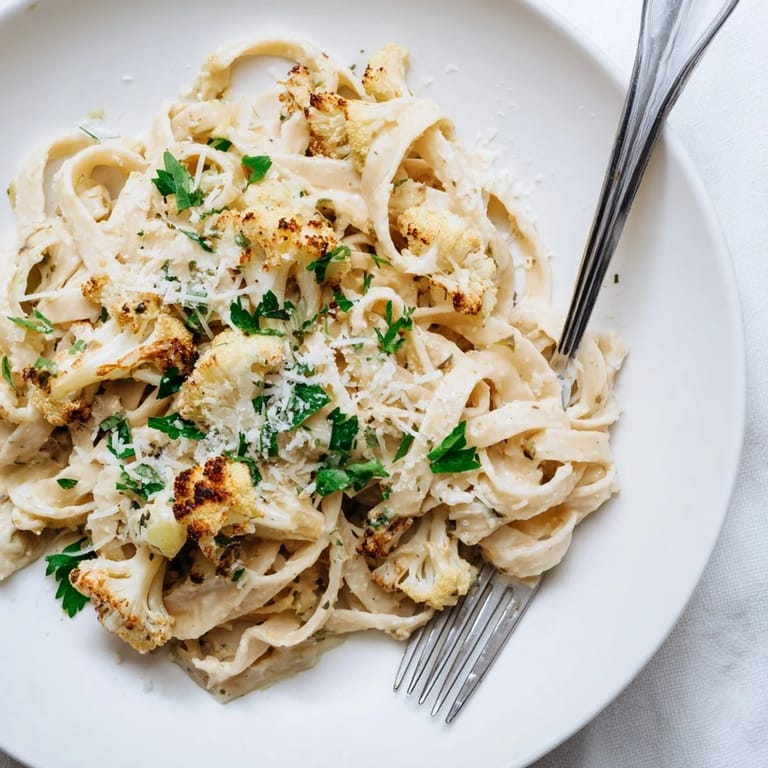
- Plate the pasta while it is still hot and finish with a sprinkle of fresh parsley and extra Parmesan if you are feeling fancy. Grab a fork and dig in before it cools down.
 Pin to Board
 One rainy Thursday I served this to a friend who swore she hated cauliflower, and she scraped her bowl clean without realizing what she'd just eaten. When I finally confessed, she just shrugged and asked for the recipe. That moment reminded me that good food has a way of changing minds quietly, without any lectures or tricks. Sometimes all it takes is a little heat, a good blender, and not mentioning the vegetables until after dessert.
How to Store and Reheat
Leftovers keep beautifully in an airtight container in the fridge for up to three days, though the pasta will soak up some of the sauce as it sits. When you reheat it, add a splash of milk or pasta water to a skillet over low heat and stir gently until it loosens up and looks creamy again. I've learned the hard way that microwaving it straight makes the sauce separate and turn grainy, so take the extra two minutes on the stovetop. If you want to meal prep, you can store the sauce separately from the pasta and toss them together fresh when you are ready to eat.
What to Serve Alongside
This dish is rich enough to stand on its own, but a simple arugula salad with lemon and olive oil cuts through the creaminess perfectly. I like to toast some crusty bread with garlic butter and use it to chase every last bit of sauce from the bowl. A glass of crisp white wine or sparkling water with lemon feels just right if you are turning it into a little occasion. Keep the sides light and bright so the roasted cauliflower can stay the star of the plate.
Ways to Make It Your Own
Once you get comfortable with the basic recipe, it's easy to riff on the flavors and make it feel new every time. I have stirred in sautéed mushrooms for earthiness, tossed in baby spinach right at the end, and even added a pinch of red pepper flakes for a gentle kick. Swap the Parmesan for Pecorino Romano if you want something sharper, or stir in a handful of sun dried tomatoes for bursts of sweet tanginess. The sauce also works beautifully over roasted vegetables, baked chicken, or even as a dip for warm breadsticks.
- Add cooked chicken, shrimp, or crispy chickpeas to turn it into a heartier one bowl meal.
- Stir in a squeeze of fresh lemon juice just before serving to brighten everything up.
- Try using rigatoni or penne if you want the sauce to get trapped inside the pasta for extra flavor in every bite.
 Pin to Board
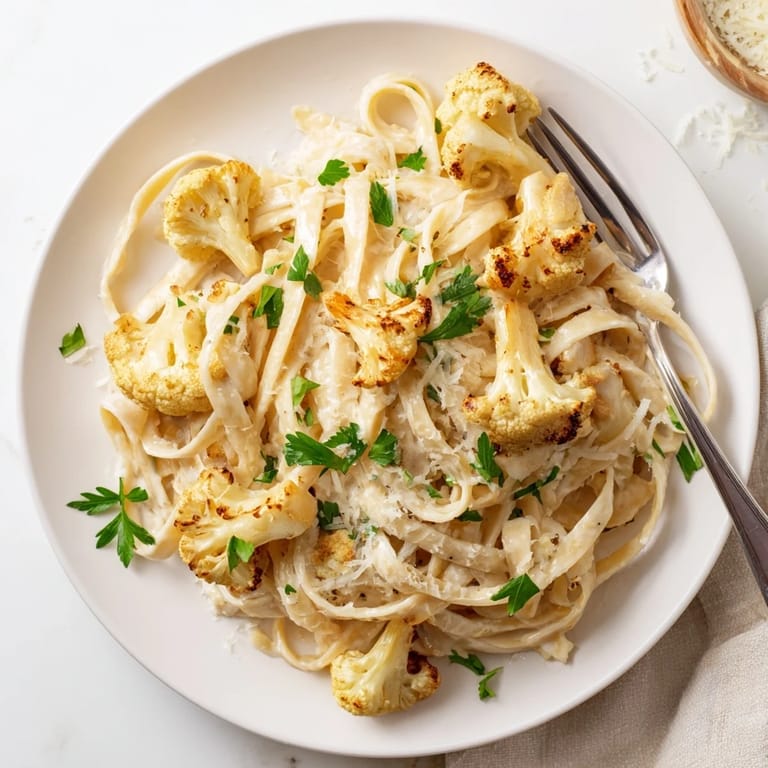
 This recipe taught me that comfort food doesn't have to come with a side of regret. I hope it becomes one of those easy weeknight staples you turn to when you want something warm, satisfying, and just a little bit clever.
Common Questions
- → Can I make this sauce ahead of time?
Yes, you can prepare the sauce up to 2 days in advance and store it in the refrigerator. Gently reheat over low heat with a splash of milk or pasta water to restore its creamy consistency before serving.
- → What pasta works best with this sauce?
Fettuccine is traditional and works beautifully, but you can use any pasta shape you prefer. Pappardelle, linguine, or even penne all pair wonderfully with this creamy sauce.
- → How do I make this dairy-free?
Substitute the whole milk with unsweetened oat or cashew milk, use vegan butter, and replace Parmesan with nutritional yeast or a dairy-free Parmesan alternative. The sauce will be just as delicious.
- → Can I add vegetables to this dish?
Absolutely. Roasted broccoli, asparagus, or sun-dried tomatoes are excellent additions. Toss them in with the pasta or roast them alongside the cauliflower for extra flavor and texture.
- → Why is my sauce too thick?
Cauliflower blends into a naturally thick sauce. Add reserved pasta water one tablespoon at a time while blending until you reach your desired consistency. You can also thin it out when reheating.
- → What can I use instead of a blender?
A food processor works equally well for creating a smooth sauce. For a chunkier texture, you can also mash the roasted cauliflower with a fork, though it won't be quite as creamy.