 Pin to Board
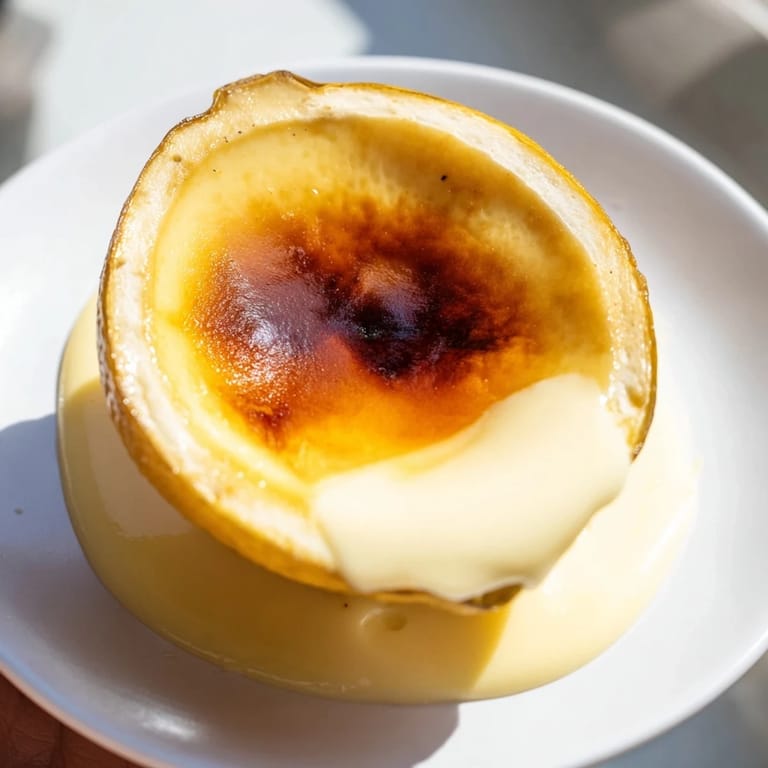
 The first time I served lemon brûlée posset, my guests actually gasped when they saw the shells—not because of how it looked, but because I'd somehow managed to hollow them without cracking a single one. What started as a nervous attempt to impress has become my go-to when I need something that feels elegant but tastes like pure comfort. There's something magical about how the sharp citrus sings through silky cream, and that satisfying crack of caramelized sugar transforms an already lovely dessert into theater.
I remember making this for a dinner party in early summer when everyone was tired of heavy puddings. My neighbor kept asking what that caramel smell was, and before the evening ended, she'd already asked for the recipe. It became our secret—the kind of thing you make when you want people to think you've spent all day in the kitchen, when really you've just had the good sense to let cream and lemon do the talking.
Ingredients
- Double cream (500 ml): This is the soul of posset—it's thick, rich, and holds the lemon flavor without curdling, which is why regular cream won't quite work.
- Caster sugar (140 g, plus extra for topping): The fine granules dissolve instantly into hot cream, and the extra bit for brûléeing creates that glass-like top you'll love cracking into.
- Fresh lemon zest (from 2 lemons): Don't skip this—it adds brightness that juice alone can't quite capture, infusing the whole cream with lemon oil and aroma.
- Fresh lemon juice (90 ml): The acid is what makes this work, curdling the cream just enough to thicken it into that luxurious, spoonable texture that feels more like panna cotta than cream.
- Large lemons (6 whole): These become your serving vessels, so choose unblemished ones with thick skin that can handle hollowing without splitting.
Tired of Takeout? 🥡
Get 10 meals you can make faster than delivery arrives. Seriously.
One email. No spam. Unsubscribe anytime.
Instructions
- Prepare your lemon shells:
- Slice your lemons in half lengthwise and carefully scoop out the flesh using a melon baller or small spoon, taking care to keep the shell walls intact and sturdy. Trim a thin slice from the bottom of each shell so they sit flat and steady on a plate.
- Warm the cream and sugar:
- Combine double cream, sugar, and lemon zest in a medium saucepan and bring to a gentle boil, stirring as the sugar dissolves into liquid. Let it simmer for three minutes—this is enough time for the zest to release its oils and the flavors to meld without the cream breaking.
- Add the lemon juice:
- Remove the pan from heat and pour in the fresh lemon juice, stirring gently as the mixture thickens slightly before your eyes—it's quite remarkable to watch. Strain out the zest after about ten minutes of cooling if you prefer a silkier texture, or leave it in for extra flavor.
- Fill the shells:
- Pour the warm posset mixture carefully into each shell, filling almost to the rim but leaving just a tiny space for the brûlée topping. Work gently so the shells don't crack from the heat.
- Let it set:
- Chill everything for at least three hours until the posset has set to a spoonable consistency—the lemon juice and cream have formed a delicate custard-like texture through their gentle curdling. You can make this a full day ahead and keep it covered in the fridge.
- Torch and serve:
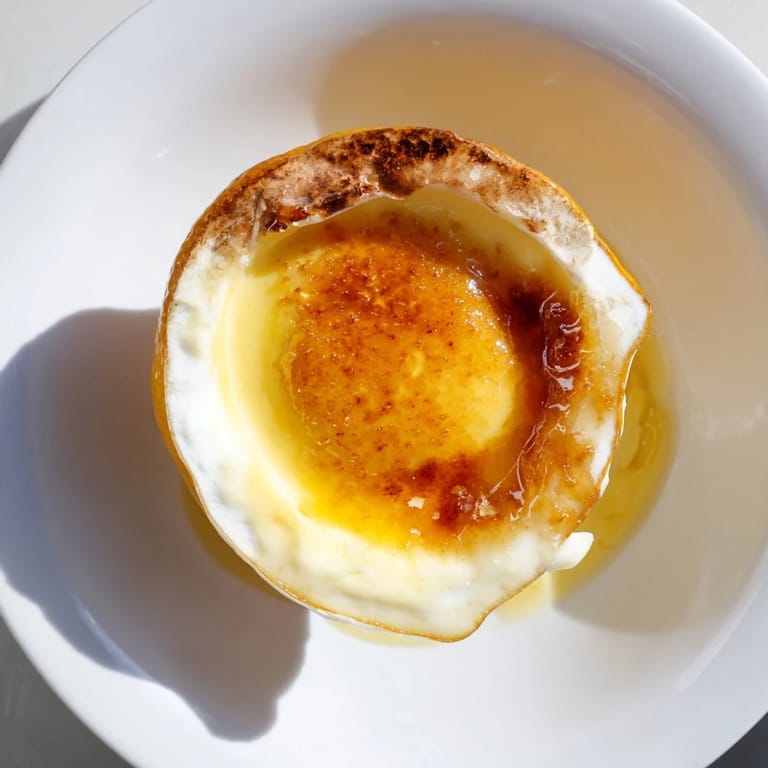
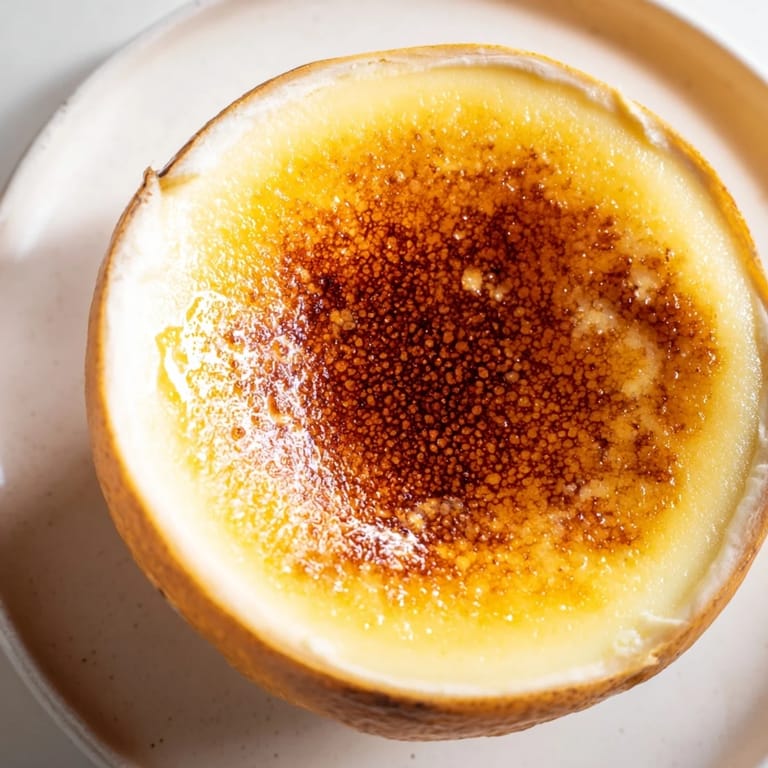
- Just before serving, sprinkle about a teaspoon of caster sugar over each posset and use a kitchen blowtorch to caramelize it into a thin, crackling layer. Let it harden for two or three minutes so you get that satisfying snap when your spoon breaks through.
 Pin to Board
 There was a moment when my son tasted his first spoonful—he paused, spoon halfway back to the bowl, and asked if I'd invented it myself. I hadn't, of course, but watching someone discover that particular combination of silky cream and sharp lemon through a shell of caramel made me understand why certain dishes become traditions in a home.
The Brûlée Technique
The blowtorch moment is where this dessert earns its drama. Hold the flame about an inch above the sugar surface and keep it moving in a slow circle so the sugar caramelizes evenly instead of burning dark in one spot and staying grainy in another. If you don't have a torch, you can slip the filled shells under a very hot grill for a minute, but watch them like a hawk—they can go from golden to bitter faster than you'd expect. The sound of the sugar crackling as your spoon breaks through is half the pleasure of eating this.
Making Ahead and Storage
The posset itself benefits from a full day of chilling—it sets more firmly and the flavors deepen slightly. Cover the shells loosely with cling film so they don't absorb fridge smells, and only add the brûlée top within an hour or two of serving, otherwise the caramel will soften and weep. If somehow your posset breaks and separates, don't panic—you can gently reheat it, strain it again, and start the chilling process over.
Perfect Pairings and Variations
Crisp shortbread or delicate almond biscuits are the classic companions, but I've also served this with buttery madeleines or even plain sponge fingers. Some people add a sprig of basil or thyme to the cream as it simmers, infusing it with an herbaceous edge that makes the lemon taste even brighter—just remove the herb before you add the juice. A tiny pinch of sea salt sprinkled into the caramel creates a sweet-salty contrast that feels unexpectedly sophisticated.
- Try infusing the cream with a single basil leaf or thyme sprig during simmering for herbal complexity.
- A light dusting of fleur de sel on the brûlée top adds a subtle savory note that elevates the sweetness.
- Make individual possets in small glasses instead of shells if you're worried about presentation, and top each with caramel just the same.
 Pin to Board
 This dessert has a quiet elegance that makes people feel seen when you serve it—not showy, but thoughtful. It's become my favorite thing to make when I want to give someone a moment of genuine pleasure.
Common Questions
- → How do I prepare lemon shells for serving?
Halve large lemons lengthwise, gently scoop out the pulp while keeping shells intact, and trim a thin slice off the bottom so they stand upright. Chill before filling.
- → What’s the best way to caramelize the sugar topping?
Use a kitchen blowtorch to evenly caramelize caster sugar on top, creating a crisp brûlée crust. Alternatively, place under a hot broiler briefly, watching closely to avoid burning.
- → Can I add herbs for extra flavor?
Yes, infuse the cream with a sprig of thyme or basil during simmering, then remove before adding lemon juice for subtle herbal notes.
- → How long should the dessert chill before serving?
Chill in the refrigerator for at least 3 hours to allow the lemon cream to set properly within the shells.
- → What can I serve alongside this lemon cream?
Crisp shortbread or almond biscuits complement the smooth cream and crunchy brûlée topping beautifully.