 Pin to Board
 I discovered ice cream French toast by accident on a sweltering July morning when my freezer was overstocked and my bread was going stale. Rather than waste either, I melted some vanilla ice cream into eggs and dipped thick slices of brioche into the mixture. The result was nothing short of magic—custard-rich, with caramelized edges that crackled under my fork. It's become my secret weapon for turning an ordinary breakfast into something that feels genuinely indulgent, and I've made it countless times since that happy mistake.
I'll never forget the morning I made this for my sister during a surprise weekend visit. She took one bite and paused mid-chew, then looked at me with genuine shock and asked if I'd somehow snuck real pastry cream into the mix. Watching her realize it was just ice cream, bread, and butter felt like I'd pulled off some kind of culinary sleight of hand.
Ingredients
- Thick-cut bread (brioche or challah): Slightly stale bread is your friend here—it soaks up the custard without turning into mush, and the thicker slices hold their structure beautifully as they cook.
- Premium ice cream: Use whatever flavor speaks to you, but vanilla is the reliable baseline that lets the caramelization shine. Some of my favorite experiments have been with salted caramel or cinnamon ice cream.
- Eggs: Just two large ones bind everything together and add richness without overpowering the ice cream's silky texture.
- Cinnamon and vanilla extract: Optional touches that layer warmth into the custard, but honestly, the ice cream often flavors things beautifully on its own.
- Unsalted butter: For cooking and creating those lacey, caramelized edges that make every bite taste a little bit fancy.
Tired of Takeout? 🥡
Get 10 meals you can make faster than delivery arrives. Seriously.
One email. No spam. Unsubscribe anytime.
Instructions
- Melt and mix your custard:
- Pour the ice cream into a large bowl and let it sit for a minute or two while it softens slightly, then whisk it together with eggs, cinnamon, vanilla, and salt until completely smooth. The texture should be thinner than regular French toast custard but rich enough to coat a bread slice.
- Heat your skillet:
- Warm a nonstick skillet or griddle over medium heat and add a tablespoon of butter, swirling it around until it's foamy and just barely starting to brown. This is when the magic happens—medium heat gives you time to develop those golden edges without burning.
- Dip with intention:
- Pick up each bread slice and submerge it in the ice cream custard for about 10–15 seconds per side, letting the excess drip back into the bowl. The bread should be saturated but not waterlogged—think of it like a gentle baptism rather than a full soak.
- Cook until golden:
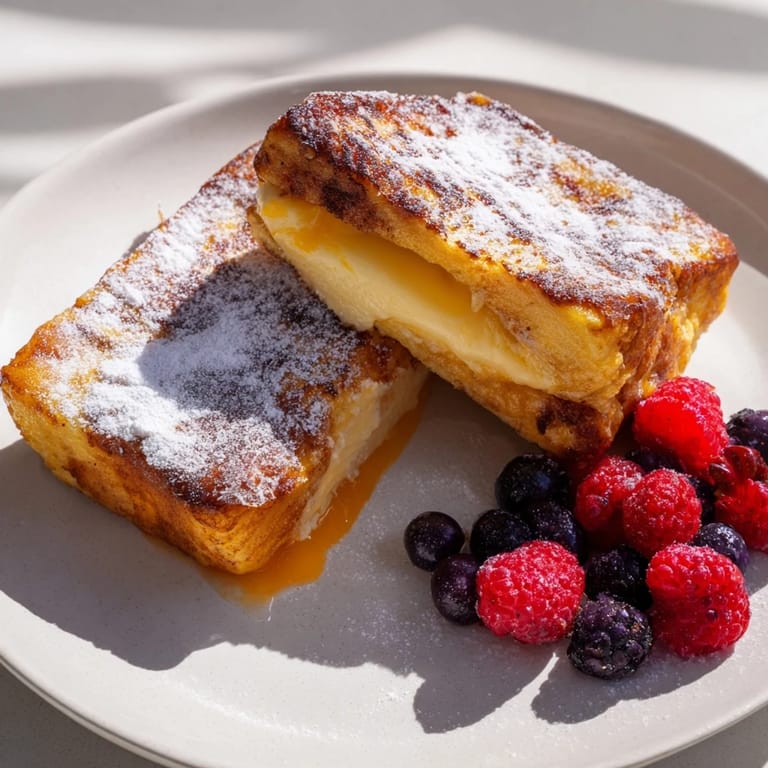
- Lay each soaked slice onto the hot butter and cook for 2–3 minutes per side, watching for that beautiful caramel-brown color to develop. The custard will puff slightly and the edges will crisp up, creating little caramelized ridges that are absolutely irresistible.
- Rest and repeat:
- Transfer finished slices to a wire rack or warm plate while you cook the rest, adding more butter to the skillet as needed. This keeps them from steaming themselves soggy while you finish the batch.
 Pin to Board
 There was a moment last spring when my neighbor smelled these cooking through our shared wall and showed up at my door asking what I was making. We ended up having breakfast together on my porch, and she became so obsessed that she's now made it at least a dozen times herself. That's when I realized this recipe had transcended just being delicious food—it became something to share and build memories around.
The Ice Cream Question
The beauty of this recipe is that your ice cream choice completely changes the personality of the dish. Vanilla is the most reliable choice because it's neutral enough to let the caramelization be the star, but I've had stunning results with cinnamon, coffee, brown butter, and even salted caramel ice cream. Don't overthink it—use whatever flavor sounds appealing at that moment, and trust that it will work.
Bread Selection Matters More Than You'd Think
Brioche and challah are my go-to choices because they're slightly sweet and have an open crumb structure that absorbs the custard beautifully. Texas toast works in a pinch, and I've even used thick-cut sourdough for a more sophisticated version. The key is that the bread should be sturdy enough to hold together while soaking but soft enough inside to become custardy and tender as it cooks.
Serving and Variations
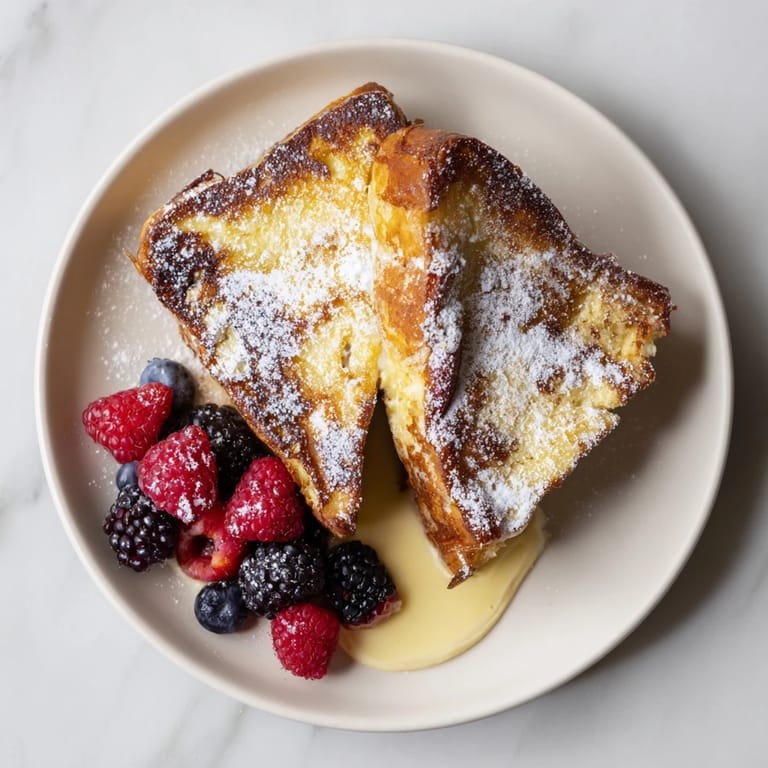
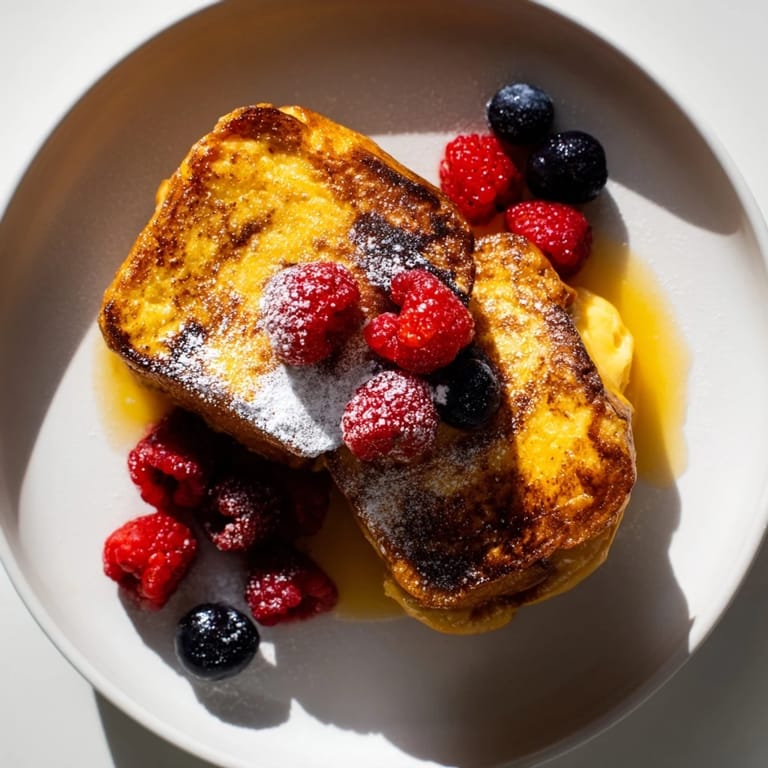
Serve these warm, straight from the skillet if you can, because they're at their most magical when the inside is still creamy and the edges are still crispy. A drizzle of maple syrup is traditional, but fresh berries, a dusting of powdered sugar, whipped cream, or even a small scoop of the same ice cream you used in the custard are all gorgeous finishes. The dish itself is rich enough to stand alone, but these toppings turn it into something that feels like dessert masquerading as breakfast.
- Fresh berries add brightness and a textural contrast that cuts through the richness perfectly.
- Whipped cream is never a mistake, especially if your ice cream flavor is adventurous.
- A pinch of fleur de sel on top enhances the caramelization and makes every element taste more of itself.
 Pin to Board
 This recipe proves that the best dishes often come from curiosity and a little bit of kitchen improvisation. Every time you make it, you'll find your own rhythm and discover what toppings or ice cream flavors speak to you most.
Common Questions
- → What type of bread works best?
Thick-cut bread like brioche, challah, or Texas toast slightly stale soaks up custard without becoming soggy, delivering soft, rich bites.
- → Can different ice cream flavors be used?
Yes, vanilla is classic, but flavors such as cinnamon, coffee, or chocolate add unique depth and complement the custard base well.
- → How to achieve caramelized edges?
Cook the soaked slices in melted butter over medium heat 2–3 minutes per side until golden brown, allowing natural sugars to caramelize.
- → What toppings enhance the dish?
Maple syrup, fresh berries, and a light dusting of powdered sugar add sweetness and freshness that balance the custard richness.
- → Is it necessary to use stale bread?
Using slightly stale bread helps it absorb the custard better and prevents the slices from becoming too soggy during cooking.