 Pin to Board
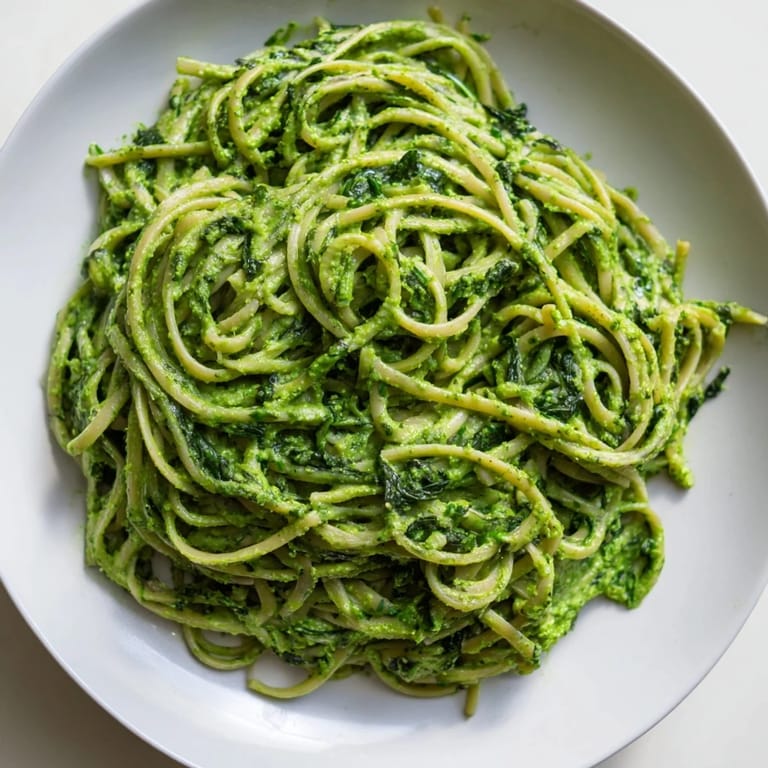
 I discovered this sauce by accident on a Wednesday when my produce drawer was overflowing with greens I'd bought with good intentions. Instead of letting them wilt, I threw everything into the blender with some yogurt and lemon juice, hoping for the best. The first taste was revelatory—vibrant, creamy, and nothing like the heavy cream sauces I'd been making for years. My partner asked for seconds before I'd even finished plating, and that's when I knew this had to become a regular thing in our kitchen.
The first time I made this for guests, I was nervous about serving something so unconventional—a green pasta sauce felt risky somehow. But the moment I brought it to the table, someone asked for the recipe before taking a bite, and by the end of the meal, everyone was scraping their bowls clean. That's when I stopped second-guessing myself and started making it whenever I wanted to impress people without spending hours at the stove.
Ingredients
- Baby spinach: Use the pre-washed kind if you want to save time, but packed fresh spinach gives the sauce its vibrant color and clean taste.
- Green cabbage: This is the secret weapon that keeps the sauce from being one-note; it adds a subtle sweetness and body you won't immediately recognize but will definitely miss if it's gone.
- Fresh parsley, basil, and chives: Don't skip these or substitute dried herbs—the whole point is that fresh, herbaceous punch that makes your mouth wake up.
- Tarragon: Optional, but if you can find it, add it; it brings an anise-like sophistication that transforms this from good to unforgettable.
- Avocado: This is what makes the sauce creamy without needing heavy cream, and it stays bright green if you add the lemon juice right away.
- Greek yogurt or sour cream: Greek yogurt keeps things lighter; sour cream adds tang—pick whichever matches your mood.
- Lemon juice: Freshly squeezed makes an enormous difference; bottled just doesn't have the same brightness.
- Pasta water: Save it before you drain—this starchy liquid is what turns the sauce from thick paste into something that clings to every strand of pasta.
Tired of Takeout? 🥡
Get 10 meals you can make faster than delivery arrives. Seriously.
One email. No spam. Unsubscribe anytime.
Instructions
- Get the pasta going:
- Fill a large pot with salted water and bring it to a rolling boil while you prep everything else. The salt should taste like the sea—this is your only chance to season the pasta itself, so don't be shy. Drop in your pasta and set a timer according to the package, but start testing a minute before it claims to be done.
- Gather your greens and herbs:
- Roughly chop everything and toss it into your blender or food processor. The more vibrant the colors you see, the better the sauce will taste and look.
- Blend until smooth and creamy:
- Add the yogurt, mayo, Parmesan, lemon juice, vinegar, and olive oil. Pulse a few times, then blend on high until it's completely smooth and the color is an almost-glowing pale green. Scrape down the sides halfway through to catch any herb bits.
- Adjust the consistency:
- The sauce should pour slowly but easily; if it's too thick, add the reserved pasta water one tablespoon at a time until it flows the way you want. This is also your moment to taste and add more salt or lemon juice if it needs it.
- Toss and serve:
- Drain your pasta and immediately toss it with the sauce while everything is hot. The heat helps the sauce cling to the pasta, and you want to serve this right away so the basil stays bright.
 Pin to Board
 There's a moment right after you taste this sauce for the first time when you realize you've been eating the same old pasta recipes on repeat out of habit, not because they were actually the best. This one changed that for me, and now it's the sauce I make when I want to remember why I love cooking in the first place.
Make It Your Own
The beauty of this sauce is that it bends to whatever you have on hand. Short on fresh herbs? Use what you have and lean into it. Love arugula more than spinach? Make the swap. I've made versions with cilantro and lime juice for nights when I wanted something more Mexican-inspired, and it was just as good as the original. The framework is forgiving, and that's what makes it come back to the table week after week.
Pasta Pairings That Matter
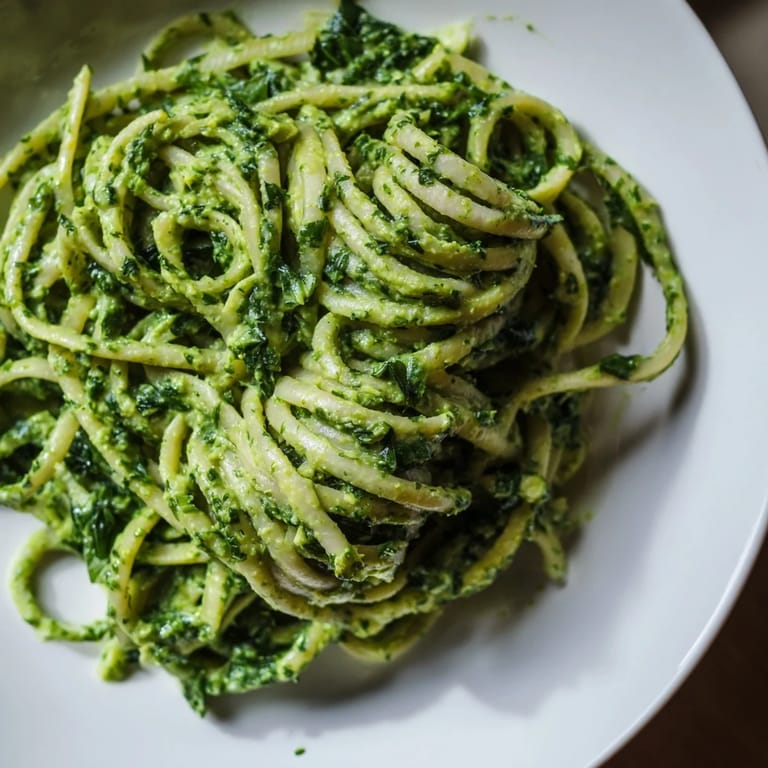
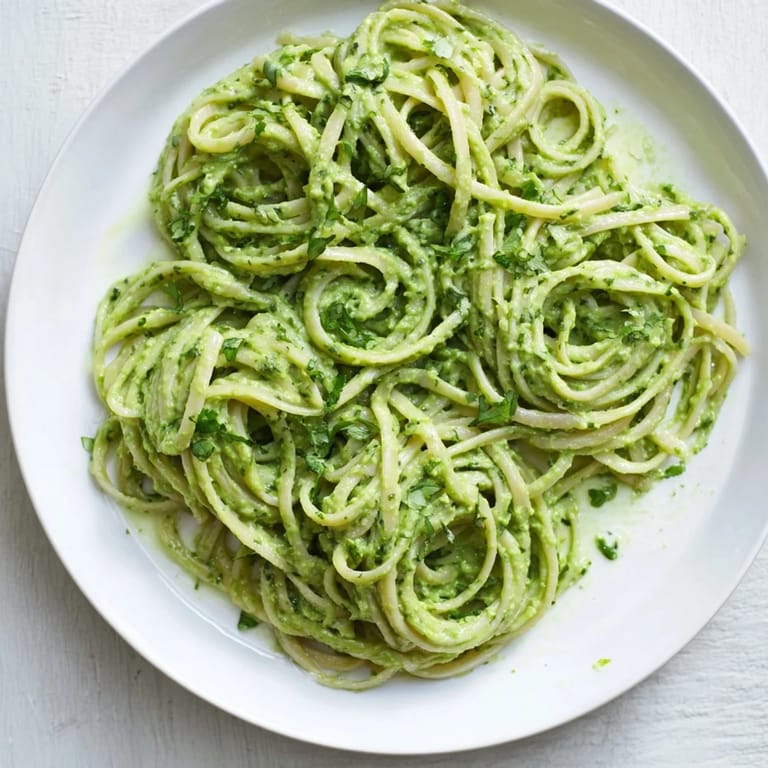
The shape of your pasta actually changes how you experience this sauce. Thin strands like spaghetti or linguine let the sauce coat each noodle delicately, while penne or fusilli trap the sauce inside each piece, giving you more herb flavor in every bite. I've even made it with tortellini on nights when I wanted something richer, and the contrast between the creamy filling and the bright, herbaceous sauce was surprising in the best way.
Beyond the Pasta Bowl
Once you've made this sauce, you'll start seeing it everywhere in your cooking. I've spread it on sandwiches, used it as a dip for vegetables, drizzled it over roasted fish, and even stirred it into grain bowls for a pop of green. It keeps in the fridge for three or four days, though the color fades slightly; give it a quick stir and a squeeze of fresh lemon before using again.
- Stir it into cream cheese for an elegant spread on crackers or crudités at your next gathering.
- Thin it with a bit more olive oil and lemon juice to make a vibrant salad dressing that'll wake up even the most tired greens.
- Dollop it on roasted potatoes or vegetables for a fresh finish that makes simple sides feel intentional and special.
 Pin to Board
 This sauce reminds me that the best meals don't need to be complicated, just made with attention and fresh ingredients. Once you've made it, you'll understand why it keeps coming back to the table.
Common Questions
- → What are the main ingredients in this green sauce?
Fresh spinach, green cabbage, parsley, basil, chives, avocado, Greek yogurt, lemon juice, and olive oil form the base of this vibrant sauce.
- → Can I substitute any ingredients for dietary preferences?
Yes, plant-based yogurt and vegan mayonnaise can replace dairy items for a vegan variation, and Parmesan can be omitted or swapped for a vegan alternative.
- → How do I adjust the sauce consistency?
Add reserved pasta cooking water gradually while blending to achieve a creamy yet pourable texture suited for coating pasta evenly.
- → What pasta types work best with this sauce?
Long pastas like linguine or spaghetti, as well as short types like penne, complement the sauce well, holding the creamy mixture on each strand or piece.
- → Is it necessary to use fresh herbs?
Using fresh herbs like parsley, basil, and chives enhances the brightness and authentic flavor, though frozen herbs can be a substitute in a pinch.