 Pin to Board
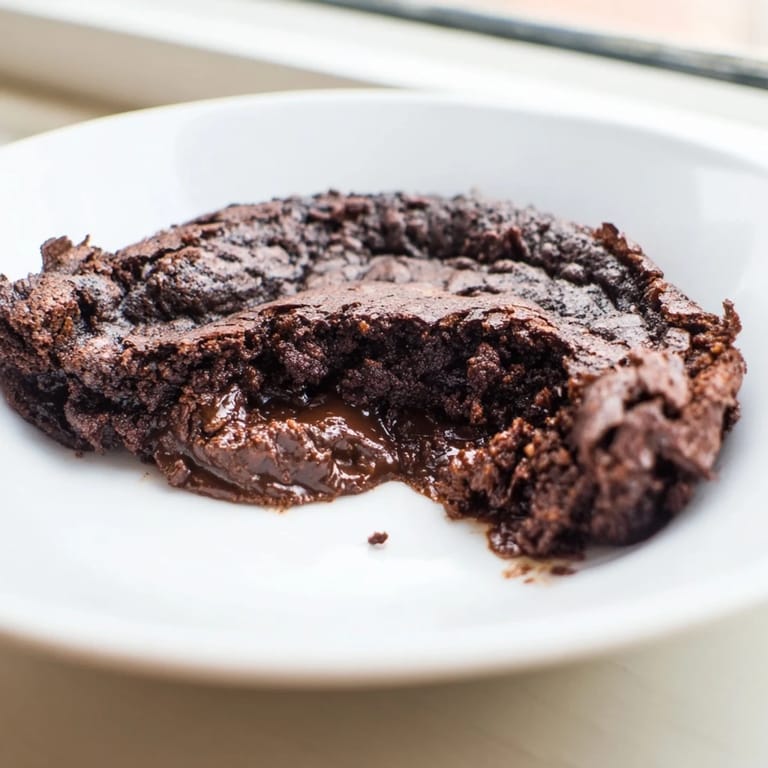
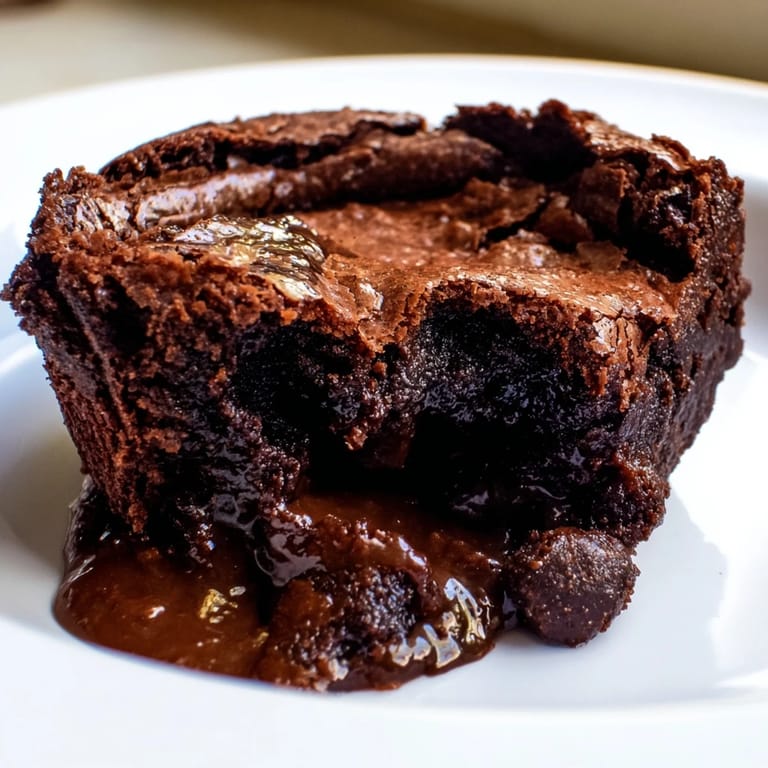
 The first time I made this brownie pudding, I wasn't expecting magic to happen in a water bath. I'd been flipping through Ina Garten's cookbook on a rainy afternoon, and something about the promise of a crackly top hiding a molten center made me stop and read it twice. My kitchen filled with the kind of chocolate smell that makes you forget everything else, and when I pulled it from the oven an hour later, the top had split in the most beautiful way, revealing that glossy pudding underneath. It felt like I'd discovered a secret.
I made this for my sister's birthday dinner last spring, and watching her face when she took that first spoonful is something I keep coming back to. She's not easily impressed by desserts, but this one made her pause mid-conversation and just sit with it for a moment. That's when I knew I'd found something special—a dessert that doesn't just taste good, it creates those quiet, grateful kind of moments around the table.
Ingredients
- Unsalted butter and semisweet chocolate: These two form the soul of the dessert, and melting them together creates that rich, smooth base that distinguishes this from ordinary brownies. I learned the hard way that using salted butter throws off the balance, so unsalted is worth seeking out.
- Eggs at room temperature: They whip up faster and incorporate more air, which is what creates that thick, ribbon-like texture that makes the final pudding so luxurious rather than dense.
- Granulated sugar: The long beating with eggs aerates everything and creates the structure that lets the pudding stay soft in the center while the top sets.
- All-purpose flour and unsweetened cocoa powder: Keep these measured and sifted separately so folding them in is quick and gentle, which prevents overdeveloping gluten and keeps the crumb tender.
- Vanilla extract and kosher salt: Vanilla deepens the chocolate flavor in ways you won't notice until you taste it, and salt is the secret ingredient that makes chocolate taste more like chocolate.
Tired of Takeout? 🥡
Get 10 meals you can make faster than delivery arrives. Seriously.
One email. No spam. Unsubscribe anytime.
Instructions
- Melt the chocolate and butter together:
- Set a heatproof bowl over simmering water—don't let the bowl touch the water itself. The gentle, indirect heat keeps the chocolate from seizing and gets everything silky and smooth. Stir occasionally and let it cool just slightly before using so it doesn't scramble the eggs.
- Beat eggs and sugar until they transform:
- This step matters more than you might think. Beat on medium-high speed for a full 5 to 10 minutes until the mixture is thick, pale, and falls in ribbons from the beater. This aeration is what gives the pudding its structure and that slight lift on top.
- Fold in the dry ingredients gently:
- Use a spatula and fold, don't stir. Working gently preserves all that air you just whipped in, which is what keeps the texture light rather than heavy.
- Create the water bath and bake slowly:
- The water bath keeps heat gentle and even, which is how the top sets while the center stays molten. Bake at 325°F for exactly 1 hour—the top should look set and crackly, but the very center should jiggle just slightly when you gently shake the pan.
- Cool before serving:
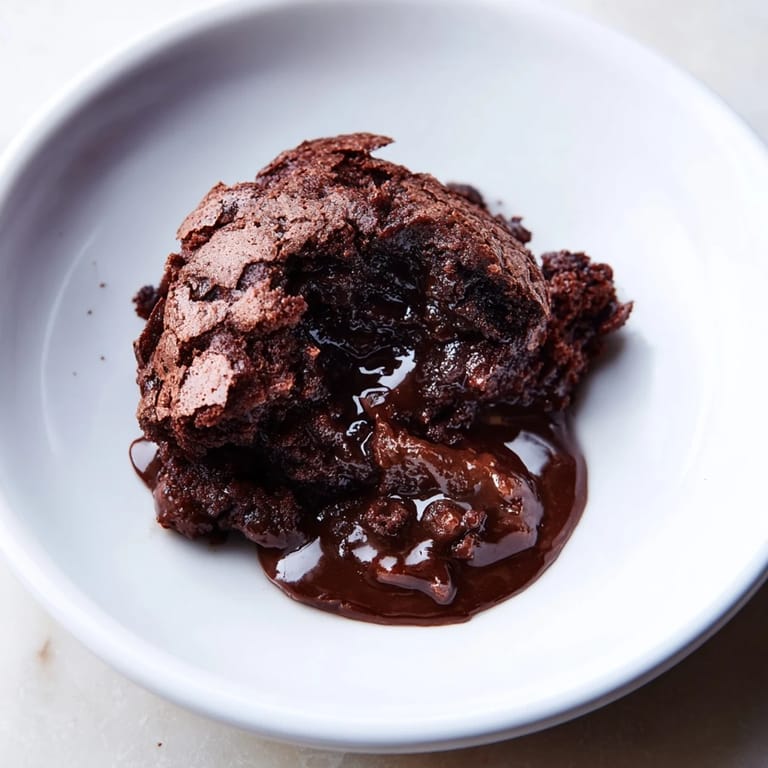
- Let it rest for at least 15 minutes so the structure sets enough to hold together on a spoon, but it'll still be warm and pudding-like in the center. This is non-negotiable if you want that contrast.
 Pin to Board
 There's something almost alchemical about watching a single batter transform into two different textures in one dish. The top becomes this thin, sophisticated shell, and underneath, you find something that feels indulgent and warm and almost sauce-like. It's the kind of dessert that makes people feel cared for.
Chocolate Matters Here
The quality of your chocolate makes a real difference in how this tastes. Semisweet is the standard choice and works beautifully, but if you want something darker and less sweet, bittersweet chocolate will give you a more sophisticated flavor. Some bakers add a pinch of espresso powder to the dry ingredients—just 1/4 teaspoon—and it doesn't make it taste like coffee, it just deepens the chocolate in a way that's almost mysterious.
Serving and Storing
Vanilla ice cream or lightly sweetened whipped cream is the traditional pairing, and there's a reason why—the cold and the warmth, the rich and the light, they need each other. I've also served it with fresh raspberries stirred into whipped cream, and the tartness cuts through the richness in a way that feels refreshing.
This dessert is best served warm the day it's made, but leftovers actually keep well in the refrigerator for a couple of days. You can gently reheat a portion in the oven at 300°F for about 10 minutes until it's warm again, and it will regain some of that pudding quality.
Scaling and Variations
If you're cooking for two instead of six, the recipe scales down beautifully. Divide everything in half and use a smaller baking dish—a 1-quart dish works perfectly—and keep an eye on it during baking since it might cook a bit faster. The water bath is still essential, so don't skip it even when you're going small.
For a deeper chocolate experience, try using bittersweet chocolate, or add that espresso powder I mentioned. Some people love a pinch of cinnamon or even cayenne pepper in there, just enough to make someone wonder what they're tasting without being able to quite name it.
- Always check your chocolate labels for allergens, especially if you're cooking for guests.
- Have everything prepped and ready before you start melting chocolate, because timing matters and you want to work smoothly through the steps.
- Let the pudding rest those 15 minutes before serving—patience here is what separates a good dessert from a memorable one.
 Pin to Board
 This is the kind of dessert that reminds you why people gather around tables in the first place. It's indulgent without being pretentious, and it always feels like someone went to trouble, even though you really didn't.
Common Questions
- → What makes the center molten in this dessert?
The center remains soft and gooey due to careful baking in a water bath and avoiding overbaking, which ensures a luscious molten texture.
- → Can I substitute bittersweet chocolate for semisweet?
Yes, using bittersweet chocolate enhances the dessert’s chocolate depth and adds a slightly richer flavor profile.
- → Why is a water bath used during baking?
The water bath provides gentle, even heat, preventing the edges from overcooking while maintaining a soft, pudding-like center.
- → What is the purpose of beating eggs and sugar until ribbon-like?
Whipping the eggs and sugar aerates the batter, creating a light texture that balances the richness of the chocolate mixture.
- → How can I serve this dessert?
Warm servings paired with vanilla ice cream or lightly sweetened whipped cream complement the chocolate’s richness beautifully.
- → Is it possible to halve the portions?
Yes, the batter can be halved and baked in a smaller dish, but baking times may need adjustment accordingly.