 Pin to Board
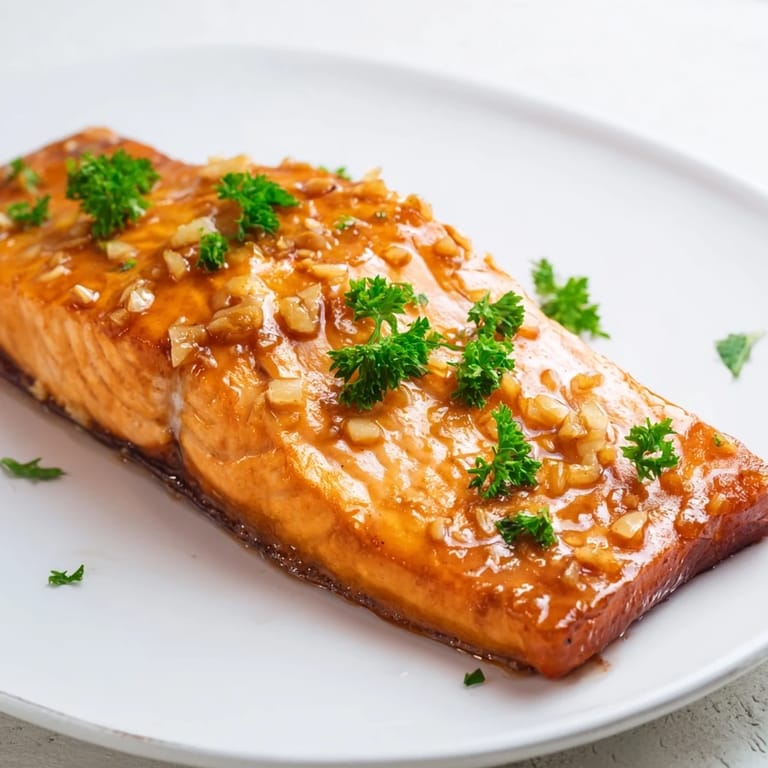
 My neighbor knocked on my door one Wednesday evening holding a piece of salmon she didn't know how to cook. I had twenty minutes before a work call, so I grabbed honey, garlic, and butter, brushed it all together, and slid the fish into the oven. When she tasted it fifteen minutes later, she actually laughed out loud at how simple it was. Now she makes it every week, and I get texts with photos of her perfectly caramelized fillets.
I made this for my sister's birthday dinner last spring, and she kept scraping the pan for every last drop of that honey garlic sauce. She's the kind of person who orders salmon at restaurants but never cooks it at home because she's afraid it'll be dry or bland. After that night, she bought a baking tray just to make this recipe. It became her confidence dish, the one she pulls out when she wants to feel like she knows what she's doing in the kitchen.
Ingredients
- 4 salmon fillets (about 170 g / 6 oz each), skin-on or skinless: The star of the dish, and honestly, either version works beautifully; skin-on crisps up nicely, but skinless is easier for picky eaters.
- Salt and freshly ground black pepper, to taste: Just a light touch to bring out the natural flavor without competing with the glaze.
- 3 tablespoons honey: This creates that glossy, caramelized crust and balances the salty soy perfectly.
- 2 tablespoons unsalted butter, melted: Adds richness and helps the glaze cling to every curve of the fish.
- 3 cloves garlic, minced: The backbone of the glaze; fresh garlic makes all the difference, so skip the jarred stuff if you can.
- 1 tablespoon soy sauce (use gluten-free if needed): Brings that savory, umami depth that keeps the sweetness in check.
- 1 tablespoon fresh lemon juice: Cuts through the richness and brightens everything up with a little zing.
- 1 teaspoon Dijon mustard (optional, for extra depth): I started adding this after a happy accident, and it gives the glaze a subtle tang and complexity.
- 1 tablespoon chopped fresh parsley: A fresh, green finish that makes the whole plate look alive.
- Lemon wedges, for serving: A final squeeze at the table is the kind of tiny detail that makes people feel taken care of.
Tired of Takeout? 🥡
Get 10 meals you can make faster than delivery arrives. Seriously.
One email. No spam. Unsubscribe anytime.
Instructions
- Preheat and Prep:
- Set your oven to 200°C (400°F) and line a baking tray with parchment paper. Pat the salmon fillets completely dry with paper towels, then lay them on the tray and season both sides with a pinch of salt and pepper.
- Mix the Glaze:
- In a small bowl, whisk together the honey, melted butter, minced garlic, soy sauce, lemon juice, and Dijon mustard until it's smooth and glossy. The smell alone will make you want to drink it with a spoon.
- Brush and Coat:
- Use a pastry brush to paint the glaze generously over the top and sides of each fillet, getting into every little crevice. Don't be shy; this is where all the flavor lives.
- Roast:
- Slide the tray into the oven and roast for 12 to 15 minutes, until the salmon flakes easily with a fork and the glaze has started to bubble and darken at the edges. The exact time depends on how thick your fillets are, so keep an eye on them.
- Optional Broil:
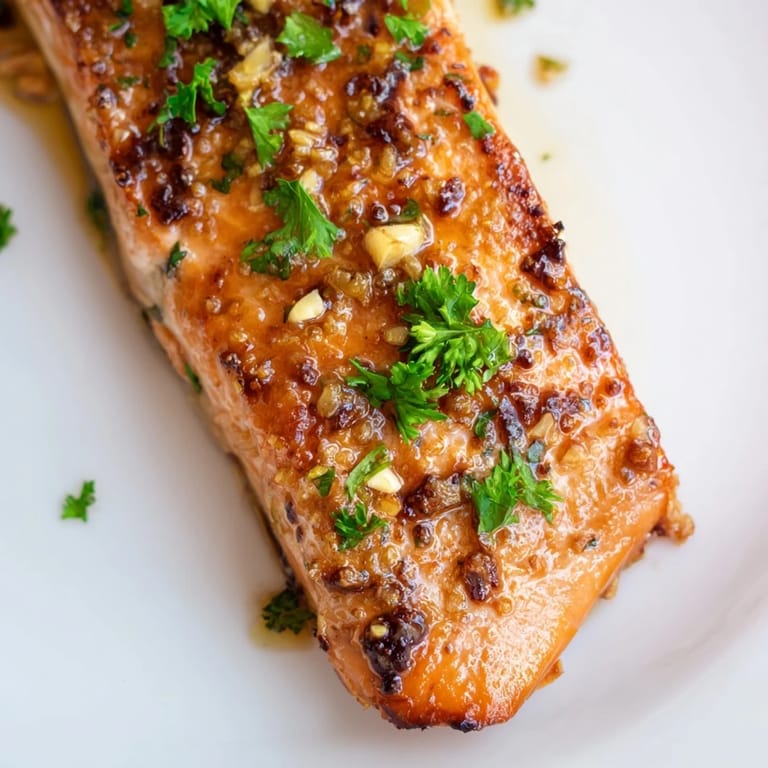
- If you want that extra caramelized, almost burnt-sugar crust, switch to broil for the last 1 to 2 minutes. Stand there and watch it; this step can go from perfect to charred in seconds.
- Finish and Serve:
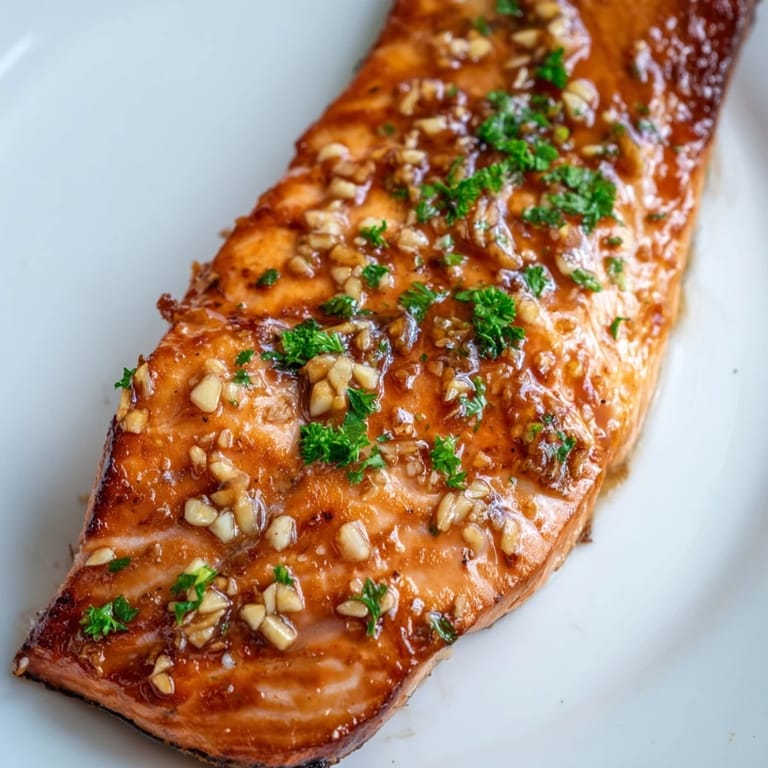
- Pull the tray out, spoon any pooled juices over the fillets, and scatter fresh parsley on top. Serve immediately with lemon wedges on the side for squeezing.
 Pin to Board
 The first time I served this to my in-laws, my father-in-law, who usually eats in total silence, looked up mid-bite and said, "This is really good." That's high praise from a man who once described a five-star meal as fine. My mother-in-law asked for the recipe before dessert, and now she makes it for their anniversary every year. It's funny how a dish this simple can become someone's special occasion meal.
What to Serve It With
I usually pile steamed jasmine rice on the plate and let it soak up all that sticky glaze. Roasted broccoli or green beans work beautifully if you want something green, and a simple arugula salad with lemon vinaigrette keeps things light. If you're feeling indulgent, mashed potatoes are shockingly good with the sweet-savory sauce, even though it sounds a little weird on paper.
How to Know When It's Done
Salmon is one of those things people either undercook out of caution or overcook out of fear. You want the center to be just barely opaque, still a little glossy, and flaking gently when you press a fork into it. If it's completely matte and flaking into dry chunks, you've gone too far. The carry-over heat will finish the cooking once it's out of the oven, so pull it a minute early if you're unsure.
Make-Ahead and Storage Tips
You can mix the glaze up to two days ahead and keep it in the fridge, which makes weeknight cooking almost laughably easy. The cooked salmon keeps for up to three days in an airtight container, and while it's never quite as good reheated, it's still delicious cold over salad or flaked into rice bowls. I don't recommend freezing it once it's cooked; the texture goes a little mushy and sad.
- Reheat leftovers gently in a low oven or microwave at half power so you don't dry them out.
- If you're meal prepping, cook the salmon but save a little uncooked glaze to brush on before reheating for a fresher taste.
- Day-old salmon makes an excellent breakfast scrambled into eggs with a little green onion and sesame oil.
 Pin to Board
 This is the kind of recipe that makes you look like you spent an hour in the kitchen when you really spent ten minutes and then scrolled your phone while the oven did all the work. It's been my secret weapon for years, and now it's yours too.
Common Questions
- → How do you know when salmon is perfectly cooked?
Salmon is done when it flakes easily with a fork and reaches an internal temperature of 63°C (145°F). The flesh should be opaque throughout with no translucent areas. Avoid overcooking to maintain tenderness and moisture.
- → Can you make this glaze ahead of time?
Yes, prepare the honey garlic mixture up to 24 hours in advance. Store it in an airtight container in the refrigerator. Bring to room temperature or gently warm before brushing onto the salmon for the best flavor distribution.
- → What's the best way to achieve caramelization on the glaze?
After roasting for 12-15 minutes, switch your oven to broil for the final 1-2 minutes. This high heat caramelizes the glaze's sugars, creating a golden, glossy coating. Watch carefully to prevent burning, as broiling happens quickly.
- → How should salmon fillets be prepared before glazing?
Pat the fillets completely dry with paper towels before seasoning. This removes excess moisture that could prevent the glaze from adhering properly and helps achieve better browning. Dry salmon also allows the seasoning to penetrate the flesh more effectively.
- → What side dishes pair best with this glazed salmon?
Steamed jasmine or brown rice complements the rich glaze beautifully. Roasted vegetables like asparagus, broccoli, or Brussels sprouts provide textural contrast. A fresh green salad with light vinaigrette balances the sweet and savory flavors perfectly.
- → Can you substitute honey with other sweeteners?
Maple syrup works wonderfully as a 1:1 replacement, offering a deeper flavor profile. Agave nectar or brown sugar syrup also work, though they create slightly different taste notes. Adjust other ingredients slightly if using a stronger-flavored sweetener.