 Pin to Board
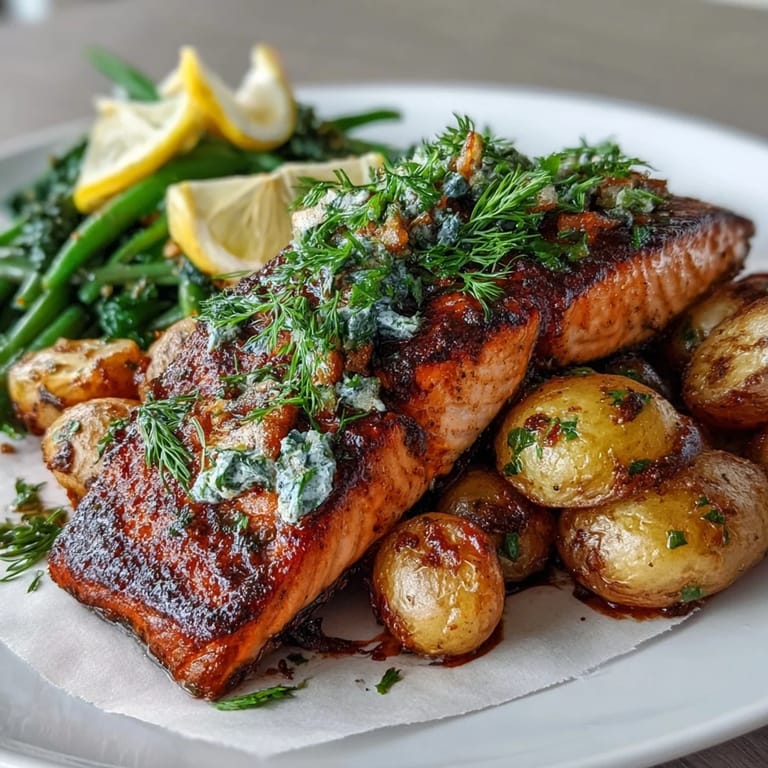
 There's something almost magical about pulling a sheet pan from the oven and finding everything cooked to absolute perfection at the exact same moment—no scrambling, no cold potatoes while the salmon waits. My sister swore by this method after a particularly stressful weeknight when she needed dinner on the table in under an hour, and I was skeptical until I tried it myself. The lemon and herbs fill your kitchen with this bright, Mediterranean-inspired aroma that somehow makes you feel like you've accomplished something fancy, even though you've really just tossed everything on one pan and walked away.
I made this for my neighbor who'd just started following a stricter diet and kept apologizing for being difficult. When she took her first bite, she just went quiet—the kind of quiet where you know someone's tasting something that makes them feel taken care of. Watching her realize that healthy food could actually be exciting and delicious? That moment made me understand why people get so passionate about cooking for others.
Ingredients
- Salmon fillets (4 pieces, 6 oz each): The star that justifies the whole sheet pan—choose ones with skin on if your oven is trustworthy, as skin-side down keeps everything incredibly moist and helps the flesh cook evenly.
- Baby potatoes (1 lb, halved): Halving them speeds up cooking to match the salmon's timeline, and their small size means every piece gets edges for caramelizing.
- Fresh green beans (12 oz, trimmed): Trim the stem ends right before cooking rather than hours ahead, as they'll stay fresher and snappier this way.
- Olive oil (3 tbsp): Use your nicer oil here since it's the base flavor—extra virgin makes a noticeable difference in the final taste.
- Fresh lemon juice (2 tbsp from about 1 lemon): Always juice your lemon fresh; bottled versions taste acidic and flat by comparison and won't give you that bright, living flavor.
- Dijon mustard (2 tsp): This is the secret ingredient that nobody notices but everyone tastes—it adds depth and helps emulsify the marinade so it clings to everything.
- Garlic (2 cloves, minced): Mince it small so it distributes through the marinade evenly and won't burn during roasting.
- Oregano and thyme (1 tsp each, dried): Dried herbs work better here than fresh because they hold their intensity through the heat; save fresh herbs for garnish where they'll shine.
- Salt and pepper (½ tsp each, plus more to taste): Start conservative with the initial seasoning since your mouth will tell you what it needs once everything's cooked.
- Lemon slices and parsley (optional garnish): The parsley adds a pop of color and freshness at the end, and those lemon rounds look beautiful and give you an option for extra brightness.
Tired of Takeout? 🥡
Get 10 meals you can make faster than delivery arrives. Seriously.
One email. No spam. Unsubscribe anytime.
Instructions
- Heat your oven and set up your stage:
- Get to 425°F and line your sheet pan with parchment or foil—this isn't just for ease of cleanup, though that's lovely. The parchment helps everything roast a bit more evenly and keeps your pan pristine for whatever comes next.
- Build your magic marinade:
- Whisk the oil, lemon juice, mustard, garlic, and herbs together in a bowl, making sure the mustard gets fully incorporated so it emulsifies and coats everything evenly. You'll notice how the texture changes slightly as you whisk—that's the mustard doing its job.
- Start the potatoes on their own:
- Toss the halved potatoes in the marinade and spread them in a single layer on your pan. They go in first for 12 minutes because they're the slowest ingredient and need a head start to become tender and caramelized.
- Let them work while you prep the rest:
- Slice your lemon into rounds, trim your parsley, and toss the green beans in any remaining marinade while those potatoes are getting golden. This is the moment to breathe and not stress about timing—you've got 12 minutes.
- The assembly moment:
- Pull the pan out, push potatoes aside to make room, add your green beans and salmon fillets, and brush the salmon with any last drops of that seasoned oil. If you're using lemon slices on top, arrange them now so they caramelize slightly.
- The final roast:
- Return to the oven for 13 to 15 minutes, watching for the salmon to become opaque at the thickest part and the green beans to turn tender-crisp. When a thermometer reads 145°F in the center of the salmon, you're done.
- Finish with intention:
- Scatter the fresh parsley over everything just before serving so it keeps its vibrant color and fresh herb flavor. This final step takes 10 seconds and completely changes how pretty and intentional the dish looks.
 Pin to Board
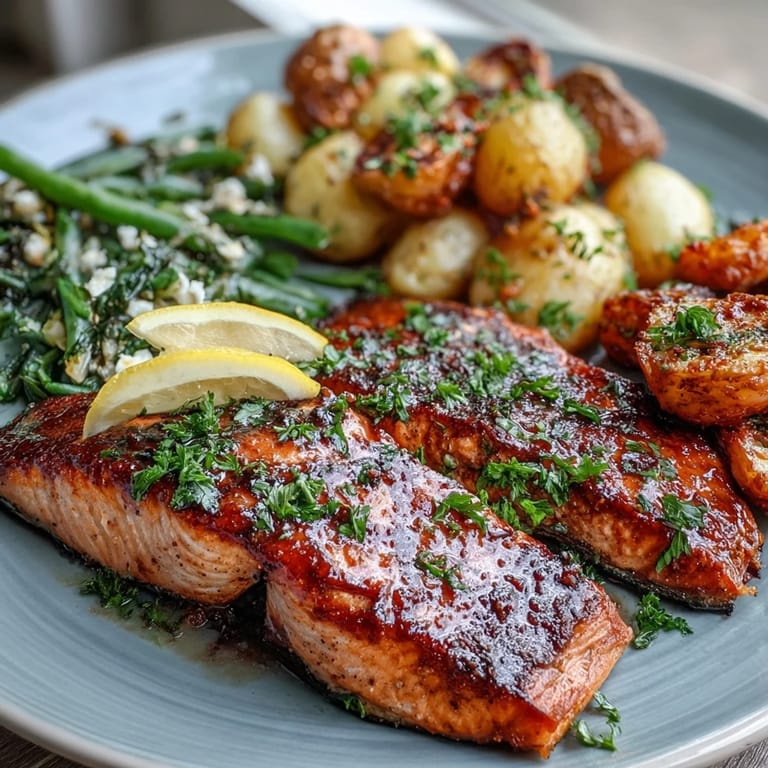
 There was this quiet moment when my mom tasted this and said, "This is what I wish I knew how to make on nights when I didn't want to think." That's when it clicked for me—the best recipes aren't the ones that impress people with complexity. They're the ones that let you feel like you're taking care of yourself and whoever's eating with you, without breaking a sweat.
Why Sheet Pan Cooking Changed Everything
The real revelation with sheet pan dinners isn't that they save time—it's that they save mental energy. Instead of juggling three burners and remembering which vegetable needs to go in when, you're working with one temperature and one timeline. I used to think of sheet pan cooking as something lazy or less-than, until I realized that using your energy efficiently is actually the opposite of lazy. It's smart.
The Vegetables Are the Undercover Stars
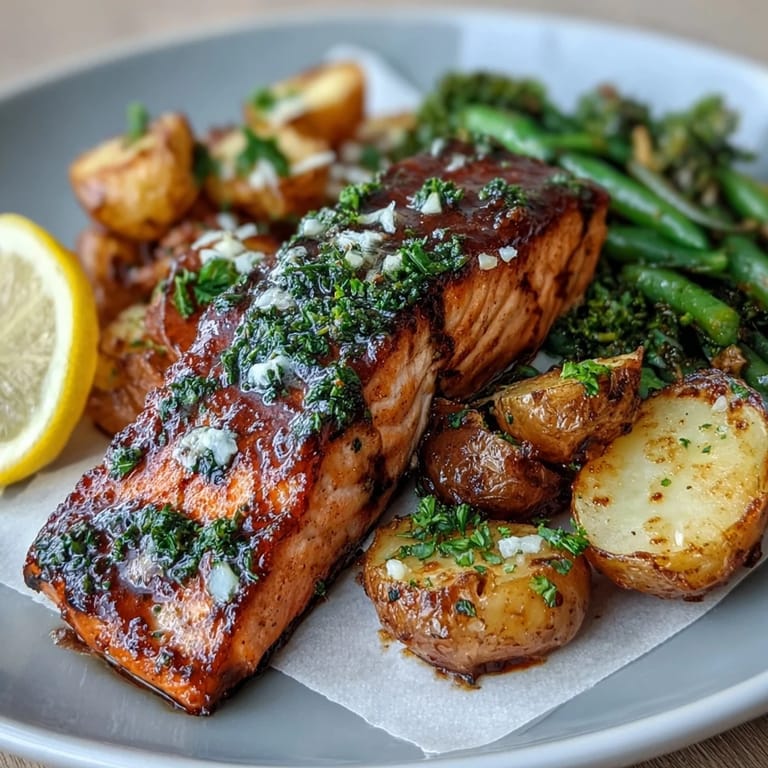
People focus on the salmon, but honestly, those roasted potatoes and green beans deserve the attention. The potatoes get crispy at the edges while staying creamy inside, and the green beans develop this delicate char that makes them taste almost nutty. The herbs and lemon don't just season the protein—they transform every vegetable into something exciting. Your sheet pan becomes a canvas where every element elevates the others, which is basically the definition of good cooking.
Making It Your Own and Troubleshooting
This recipe is forgiving enough to handle swaps—asparagus instead of green beans works beautifully, broccoli becomes gorgeously charred, even diced zucchini works if that's what your garden's giving you. If you like heat, a pinch of smoked paprika or chili flakes wakes everything up. The only real rule is respecting the potato head start, and after that, you're cooking by instinct and what your eyes tell you is ready.
- Don't skip the skin-on salmon option—that crispy skin is worth seeking out at your market and adds textural contrast that makes the meal feel more complete.
- If your potatoes and green beans are particularly thick, cut them slightly smaller to match the timing of everything else on the pan.
- Taste and adjust your salt at the very end, since salt concentrates as everything roasts and you might need less than the recipe suggests.
 Pin to Board
 This is the kind of dinner that sneaks up on you—simple enough that you'll make it on a regular Tuesday, good enough that it becomes a regular thing, and nourishing enough that you actually feel better after eating it. That's all you can really ask from food.
Common Questions
- → What temperature should I roast the salmon and vegetables?
Roast everything at 425°F (220°C) for a perfectly cooked salmon and tender vegetables.
- → Can I substitute green beans with other vegetables?
Yes, asparagus or broccoli make excellent alternatives for green beans in this dish.
- → How can I add extra flavor to the marinade?
Try sprinkling smoked paprika or chili flakes into the marinade for a smokier or spicier touch.
- → Is it necessary to skin the salmon fillets?
Salmon can be cooked with or without skin, depending on preference; skin-on helps keep the fish moist.
- → What sides pair well with this sheet pan meal?
A crisp Sauvignon Blanc or sparkling lemon water balances the dish perfectly.