 Pin to Board
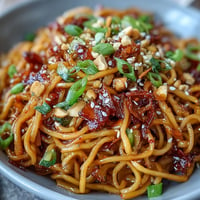
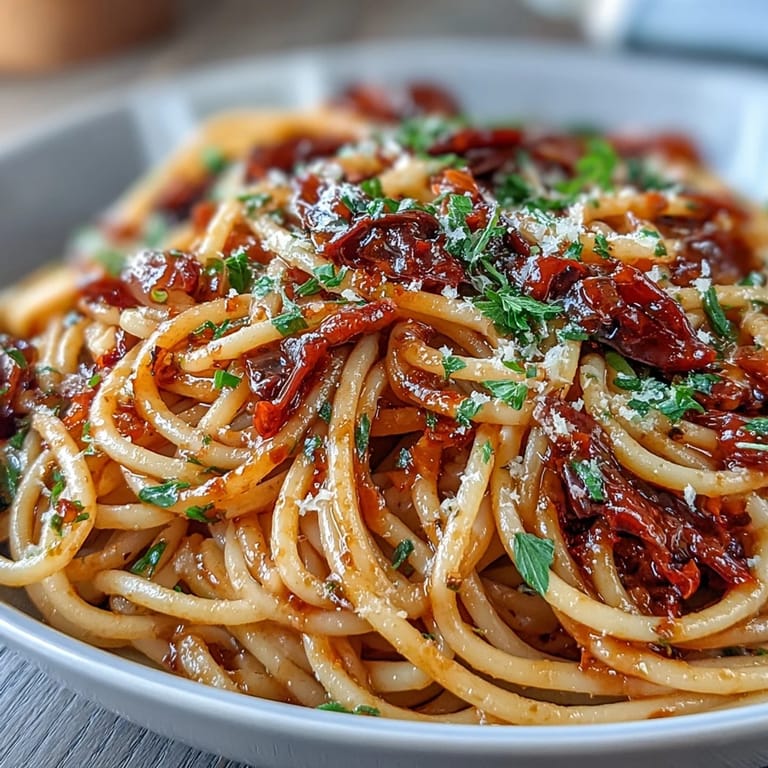
 There's a particular moment I chase in the kitchen—when garlic hits hot oil and suddenly the whole room smells alive. That's when I know I'm about to make something worth remembering. This Calabrian chili pasta arrived in my life during a late Tuesday night when I was tired of cooking the same things, so I grabbed a jar of Calabrian chilies from the back of the pantry and decided to build around that smoky, almost fruity heat. Twenty-five minutes later, I had something that felt both entirely new and somehow deeply familiar, like rediscovering a recipe I didn't know I'd been craving.
I cooked this for my neighbor one evening when she mentioned offhandedly that she missed real Italian food, the kind her grandmother used to make. She stood in my kitchen watching the anchovies dissolve, skeptical at first, then completely won over by the first bite. She's asked for it three times since, which tells you everything about what happens when you nail this balance of heat, salt, and garlic.
Ingredients
- Bucatini pasta, 400 g: This hollow strand is the perfect vehicle for holding onto the chili oil—it's not just tradition, it's actually functional.
- Extra virgin olive oil, 4 tbsp: Quality matters here because the oil itself becomes your sauce, so treat it as an ingredient, not a cooking medium.
- Calabrian chili paste, 3 tbsp: If you can't find the paste, the whole chilies in oil work beautifully—they're slightly sweeter and fruitier than what you'd expect from a chili.
- Garlic cloves, 4 thinly sliced: Thin slices cook faster and distribute more evenly than minced garlic, giving you better flavor throughout.
- Anchovy fillets, 6 drained and chopped: Don't skip these or substitute them with fish sauce—the physical texture of the anchovy dissolving into the oil is part of the magic.
- Crushed red pepper flakes, 1/2 tsp optional: This is your backup heat source if you want more fire without adding more chili paste.
- Sea salt, 1/2 tsp: Combined with the pasta water and anchovies, this creates a natural brine that's absolutely essential.
- Freshly ground black pepper: Always finish with fresh pepper—pre-ground loses its bite by the time you need it.
- Fresh flat-leaf parsley, 1/4 cup chopped: This adds brightness right at the end, cutting through the richness like a window opening in a warm room.
- Lemon zest, 1: The zest (not juice) is your secret weapon for keeping everything tasting fresh instead of heavy.
- Pecorino Romano or Parmesan cheese, 1/4 cup grated optional: I usually leave this off and let the anchovy be the savory note, but if you add it, use less salt in the sauce.
Tired of Takeout? 🥡
Get 10 meals you can make faster than delivery arrives. Seriously.
One email. No spam. Unsubscribe anytime.
Instructions
- Set up your pasta water:
- Fill a large pot with salted water—it should taste like the sea—and bring it to a rolling boil. This is where your sauce gets its body, so don't rush this step or skimp on the salt.
- Cook the bucatini to al dente:
- Drop the pasta in and stir immediately so it doesn't clump. Start checking a minute before the package says it's done, because al dente means it should have just a whisper of resistance when you bite it.
- Prepare the holy trinity while pasta cooks:
- Heat your olive oil in a large skillet over medium heat and add the thin-sliced garlic. Let it sizzle gently for about 30 seconds until it becomes fragrant but hasn't turned golden—that transition happens in an instant, so stay close.
- Dissolve the anchovies into the oil:
- Add the chopped anchovies right into that garlic-infused oil and cook for 2–3 minutes, stirring occasionally. You'll watch them break down and basically disappear into the oil, creating this incredible umami-rich base.
- Wake up the chili paste:
- Stir in the Calabrian chili paste and red pepper flakes if using. Cook for just a minute or two—you want the flavors to bloom and the oil to turn that gorgeous rust-red color, but you don't want to cook off the chili's brightness.
- Drain and introduce the pasta:
- When your pasta is ready, reserve at least 1 cup of that starchy pasta water before draining. Add the hot bucatini directly to the skillet and toss constantly, letting every strand coat in the chili oil.
- Adjust the sauce with pasta water:
- If everything looks dry, add pasta water one splash at a time while tossing—you're looking for a glossy, light sauce that clings to the pasta, not a soup. This is where the starch in the water becomes your emulsifier.
- Finish with brightness and serve:
- Remove from heat, scatter the chopped parsley and lemon zest across the top, and toss one final time. The heat of the pasta will slightly wilt the parsley and release the lemon oils—that's exactly what you want.
 Pin to Board
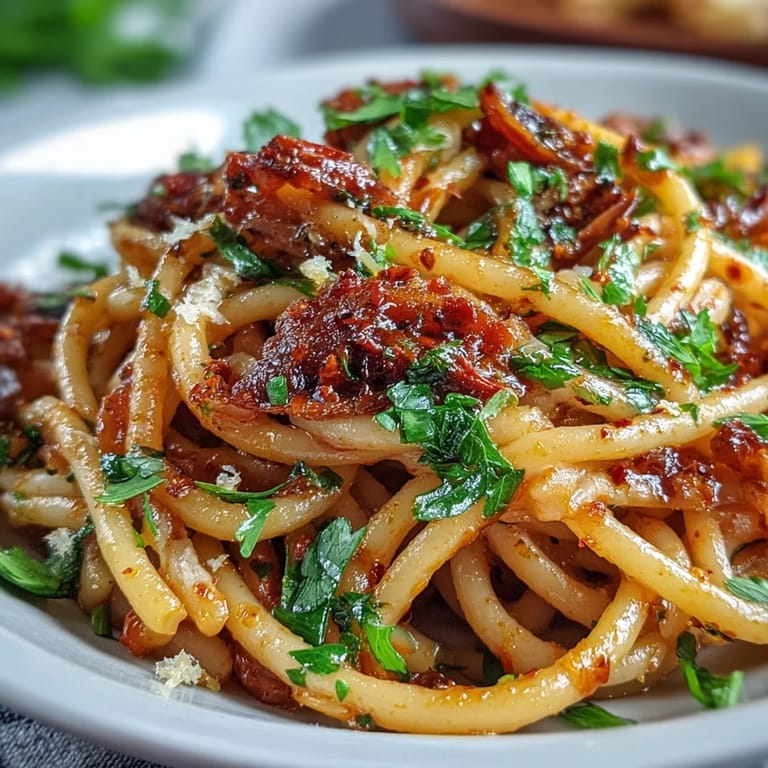
 This is the kind of dish that tastes like someone spent hours in the kitchen, except you spent barely longer than it took to boil water. That's when food becomes something more than sustenance—it becomes proof that you can make something beautiful on a Tuesday night with almost nothing.
The Calabrian Chili Difference
Calabrian chilies are different from other hot peppers because they carry this almost sweet, fruity undertone beneath the heat—they're grown in that specific region of southern Italy for a reason. When you use the paste instead of fresh chilies or generic red pepper flakes, you're getting a concentrated version of that complexity, which is why this dish tastes so much more interesting than a simple garlic and oil pasta with heat added. The first time I understood this was when I ran out of Calabrian paste and tried substituting sriracha, thinking heat was heat. It wasn't the same at all.
Why Anchovies Work Even If You Think They Won't
Most people who say they don't like anchovies have never actually tried them prepared this way—where they dissolve completely into the oil rather than appearing as a distinct, fishy flavor. What you end up with is pure umami, that savory depth that makes your brain register the dish as tasting richer and more intentional than it has any right to be. The anchovy dissolves into the oil during those few minutes of cooking, leaving behind only salt and savoriness, so even people who swear they hate fish will ask you what makes it taste so good.
Flexibility Without Losing the Soul
This recipe is flexible in ways that matter, and rigid in ways that don't. You can adjust the heat level, substitute spaghetti if that's what you have, and skip the cheese entirely if you want the anchovies to be the star. But the core technique—garlic and anchovy infusing the oil, then chili adding complexity, then pasta water creating the sauce—that's what you're protecting.
- If you're making this vegetarian, capers give you that briny quality the anchovies provided, so use the same amount and cook them the same way.
- The lemon zest is what prevents this from tasting heavy, so don't skip it or save it for later—it needs to be there from the start of eating.
- Serve immediately, because this is one of those dishes that gets worse as it sits, so plan your timing so everyone eats within five minutes of plating.
 Pin to Board
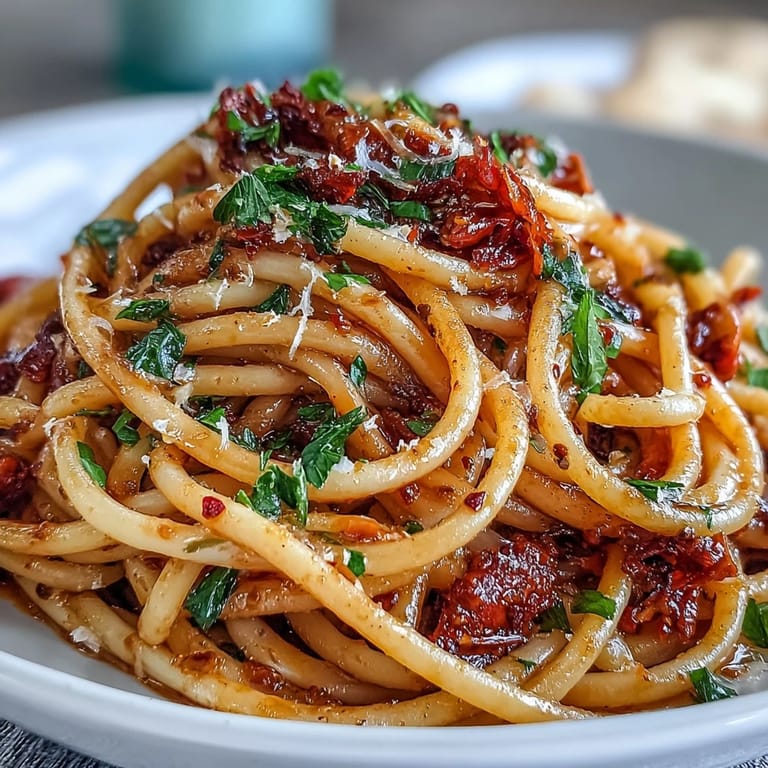
 This is the pasta I make when I want to feel like I actually know what I'm doing in the kitchen, even on the nights when everything else in life feels uncertain. That's worth making, again and again.