 Pin to Board
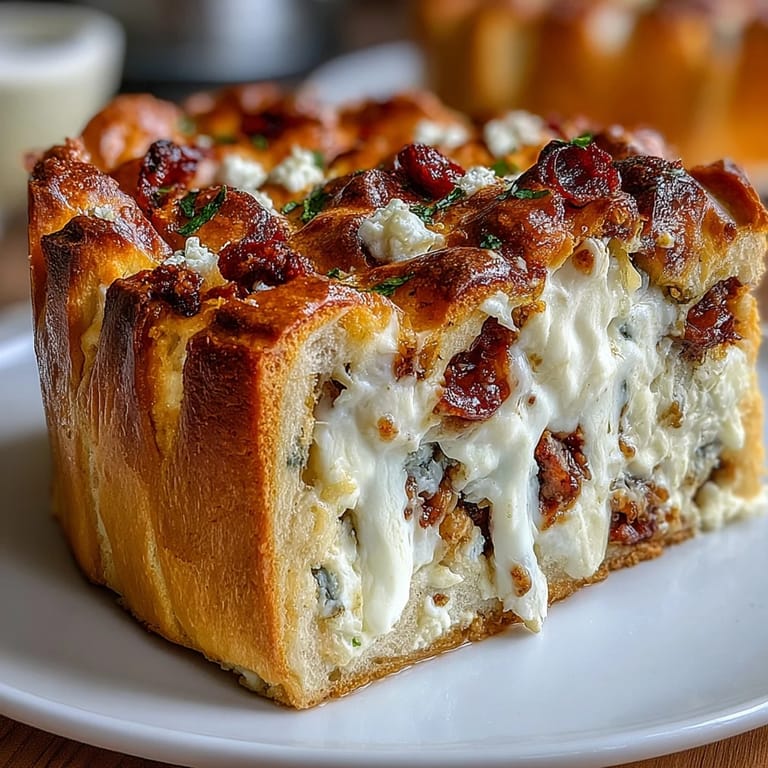
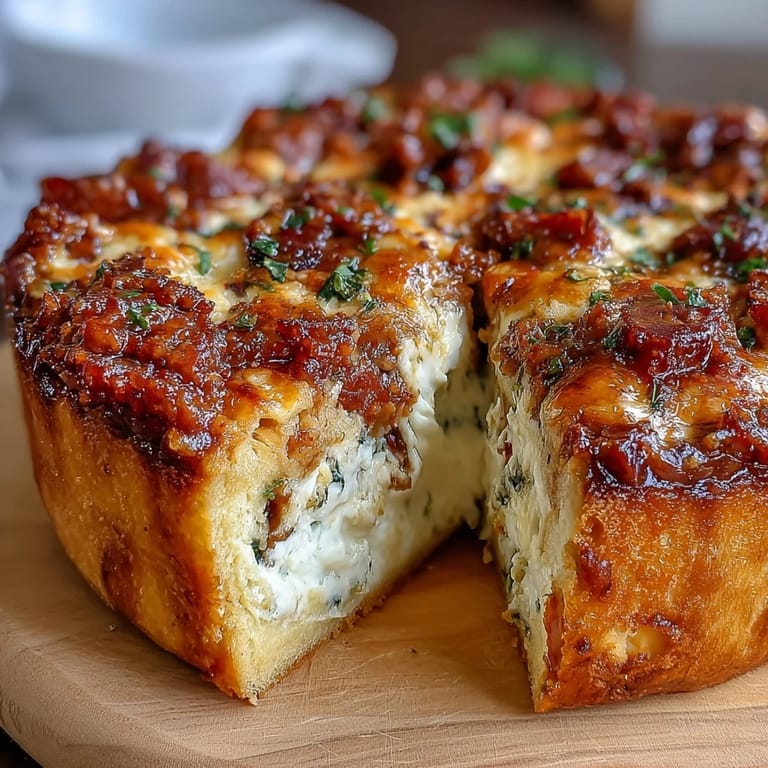
 My neighbor Maria showed up at my door one Easter morning with a slice of her family's rustic pie, still warm from the oven, and I was instantly transported. The golden pastry crackled under my fork, giving way to a creamy, savory filling studded with salty salami that made everything else fade into the background. She laughed when she saw my expression and said, "You have to make this," leaving me with barely legible handwritten instructions and a determination that wouldn't quit. That afternoon, flour dusting my kitchen, I finally understood why this pie had been passed down through her family for generations.
I made this pie for the first time when my daughter's friend mentioned she'd never had real Italian food, and I wanted to show her what generations of family recipes could mean. Watching her face light up when she tasted that first forkful, seeing the salami and cheese meld into something warm and luxurious, reminded me that cooking is really about connection. It became a tradition that spring, and now whenever she visits, she asks, "Are you making the Easter pie?"
Ingredients
- All-purpose flour (2 1/2 cups): The foundation of your crust, and keeping it cold is the secret to flakiness that makes people genuinely compliment your baking.
- Unsalted butter (1/2 cup), cold and cubed: Don't skip the cold part—this is what creates those tiny pockets that make the pastry tender instead of tough.
- Salt (1/2 teaspoon for pastry): A small amount brings out the butter flavor without making the dough taste savory.
- Large eggs (2 for pastry, 4 for filling): Eggs bind everything together and give the filling its silky, custard-like texture that makes people ask what your secret ingredient is.
- Cold water (2–3 tablespoons): Add just enough to bring the dough together—too much and you'll end up with a tough crust that disappointed me more than once.
- Whole-milk ricotta cheese (2 cups), well drained: The drained part is crucial; wet ricotta will make your filling watery and sad, so spend the extra minute pressing it in cheesecloth.
- Heavy cream (1/2 cup): This luxurious addition makes the filling feel special, turning ordinary ricotta into something that tastes like restaurant-quality comfort.
- Parmigiano-Reggiano cheese (1 cup), grated: The umami powerhouse that anchors everything with deep, savory flavor you can't fake with the pre-grated stuff.
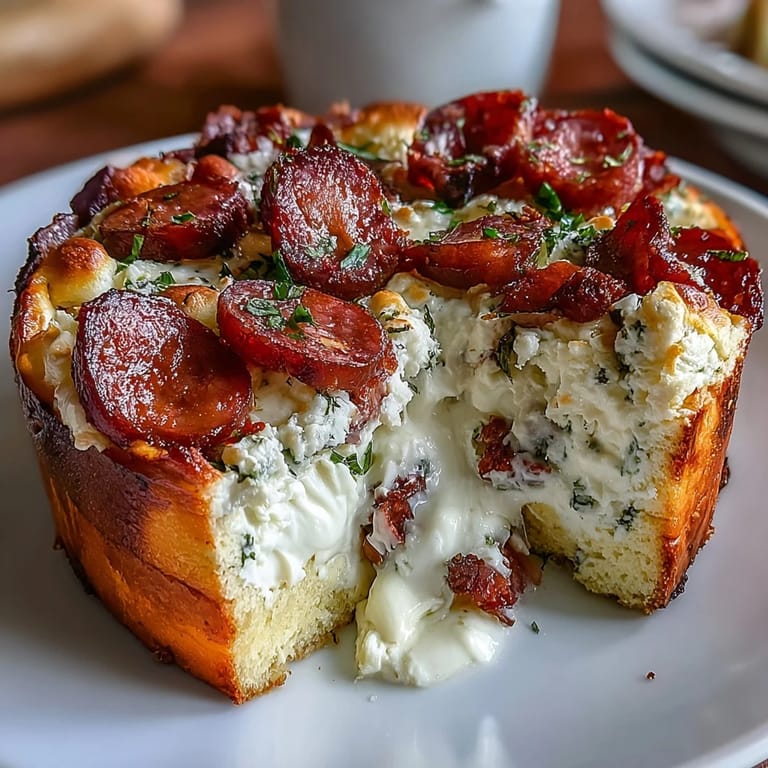
- Italian salami (1 1/2 cups), diced: Choose a good quality salami with some fat in it—that's where the flavor lives, and it keeps the filling from tasting bland.
- Shredded mozzarella cheese (1 cup): The melting agent that gives the filling its creamy texture and mild sweetness to balance the salty components.
- Fresh parsley (1/4 cup), chopped: A bright, grassy note that lifts the whole dish and reminds you that freshness matters, even in something this rich.
- Ground black pepper and nutmeg (1/2 teaspoon and 1/4 teaspoon): A whisper of nutmeg adds an almost imperceptible warmth that makes people pause and wonder what you did.
- Beaten egg (1): Your egg wash for that professional-looking golden shine that tells everyone this pie was made with care.
Tired of Takeout? 🥡
Get 10 meals you can make faster than delivery arrives. Seriously.
One email. No spam. Unsubscribe anytime.
Instructions
- Set your stage:
- Preheat your oven to 375°F and grease your springform or deep pie pan while the oven comes to temperature. This takes two minutes and saves you from the panic of a hot oven with nowhere to put your beautiful pie.
- Build the pastry foundation:
- Mix flour and salt in a large bowl, then cut the cold butter into the flour using a pastry cutter or fork until the mixture looks like coarse breadcrumbs with some pea-sized butter pieces still visible. Add your eggs and just enough cold water to bring everything together into a soft, shaggy dough—this should take about a minute, and overworking it will make you regret it later.
- Rest the dough:
- Wrap your dough in plastic and chill it for 20 minutes while you prepare the filling and gather your confidence. This rest period is where the gluten relaxes and the butter stays cold, setting you up for a genuinely flaky crust.
- Create the filling:
- In a large bowl, combine your drained ricotta, eggs, heavy cream, Parmigiano-Reggiano, mozzarella, parsley, salt, pepper, and nutmeg, mixing until everything is evenly incorporated. Stir in the diced salami last so you don't accidentally break it into smaller pieces and lose the little salty pockets of joy throughout the pie.
- Line the pan:
- Roll out two-thirds of your chilled pastry and ease it into the prepared pan, letting the excess hang over the edges like you're making a promise. If it tears, just patch it with a small piece of dough—nobody will ever know, and imperfection tastes just as good.
- Fill with intention:
- Pour the ricotta mixture into your pastry-lined pan and smooth the top with a spatula, creating an even surface that says you know what you're doing. Take a moment to admire the golden studding of salami before you cover it up.
- Create the lattice top:
- Roll out the remaining dough and cut it into strips about half an inch wide, then arrange them in a classic lattice pattern over the filling. This step is meditative and makes your pie look like it belongs in a cookbook, even if your strips aren't perfectly even.
- Seal the edges:
- Trim the overhanging pastry to about an inch beyond the edge of the pan, then fold it up and crimp it decoratively with your fingers or a fork. This seals in the filling and gives your pie a professional finish that makes you feel like a real baker.
- Brush and bake:
- Brush the lattice and crimped edges generously with beaten egg, then slide the pie into your preheated oven for 55 to 60 minutes. Watch through the window around the 40-minute mark, and if the edges are browning too quickly, lay a loose sheet of foil over the top to protect them while the filling sets.
- Cool with patience:
- Remove the pie from the oven when the top is golden and the filling has set but still has a slight jiggle in the center, then let it cool for at least 30 minutes. This cooling time is not optional—it allows the filling to firm up enough to slice cleanly, and it gives you time to set the table and take a breath.
 Pin to Board
 There was a moment last year when my usually picky nephew asked for a second slice, and my sister grabbed my hand across the table with tears in her eyes because she said it tasted like home. In that single moment, a pie became a bridge between generations, a way of saying "I love you" in a language made of butter and cheese and tradition. That's when I understood what Maria had really given me that Easter morning.
Timing Your Perfect Easter Pie
The beauty of this pie is that you can build it ahead and bake it fresh, or bake it in the morning and serve it warm at dinner, and it tastes magnificent either way. I've learned through trial and error that making the pastry the night before gives you one less thing to worry about, and the filling can be assembled up to four hours ahead without any loss of texture. What matters most is not rushing the cooling time—I once made the mistake of cutting into a pie too early, and the filling slumped into a sad puddle on the plate, teaching me that patience is an ingredient just like ricotta.
Variations That Honor the Tradition
While the classic version is perfection, I've experimented with substitutions based on what I had on hand and what my guests could eat, and the pie remained gloriously delicious every time. Prosciutto or good quality cooked ham work beautifully if salami isn't your thing, and a vegetarian friend requested sautéed spinach and artichokes, which I've since made repeatedly because it was so good. The ricotta and cheese do all the heavy lifting, so the filling stays silky and special no matter what protein or vegetable you choose.
The Secrets That Make the Difference
Every time I make this pie, I'm reminded that the smallest details create the biggest impact, and this dish is built on respecting those details from start to finish. The egg wash isn't just decorative—it's a professional touch that tells everyone you care about how your food looks and tastes. The way the salami distributes throughout the filling, the nutmeg that adds invisible warmth, the way the mozzarella melts into the ricotta creating pockets of pure indulgence—these are the things that make people ask for the recipe and then realize it's even better than they could have imagined.
- Use a springform pan instead of a regular pie dish if you have one, because it makes unmolding and presenting the pie infinitely easier and more beautiful.
- Serve the pie slightly warm or at room temperature, never hot from the oven, because the filling needs time to set completely for clean, impressive slices.
- Leftovers keep beautifully in the refrigerator for up to three days, and they're somehow even more delicious on day two when all the flavors have become better friends with each other.
 Pin to Board
 Make this pie when you want to say something important without words, when you want to feed people the way tradition and love taste together. Once you've watched someone close their eyes in happiness after the first bite, you'll understand why this Easter classic has survived generations.
Common Questions
- → What type of cheese works best in this pie?
Ricotta provides creaminess, while Parmigiano-Reggiano and mozzarella add sharpness and meltiness, creating a balanced filling.
- → Can I use a different meat instead of salami?
Yes, prosciutto or cooked ham can be substituted for a similar savory flavor and texture.
- → How should I prepare the pastry for a tender crust?
Keep the butter cold and work quickly when mixing to form coarse crumbs, then chill the dough before rolling out to maintain flakiness.
- → Is there a vegetarian alternative for the filling?
Omitting salami and adding sautéed spinach or artichokes provides a delicious vegetarian option without sacrificing flavor.
- → How long should the pie cool before serving?
Allow the pie to cool at least 30 minutes so the filling sets properly, making it easier to slice and enjoy.
- → What oven temperature and baking time is recommended?
Bake at 375°F (190°C) for 55–60 minutes until the crust is golden and the filling is set.