 Pin to Board
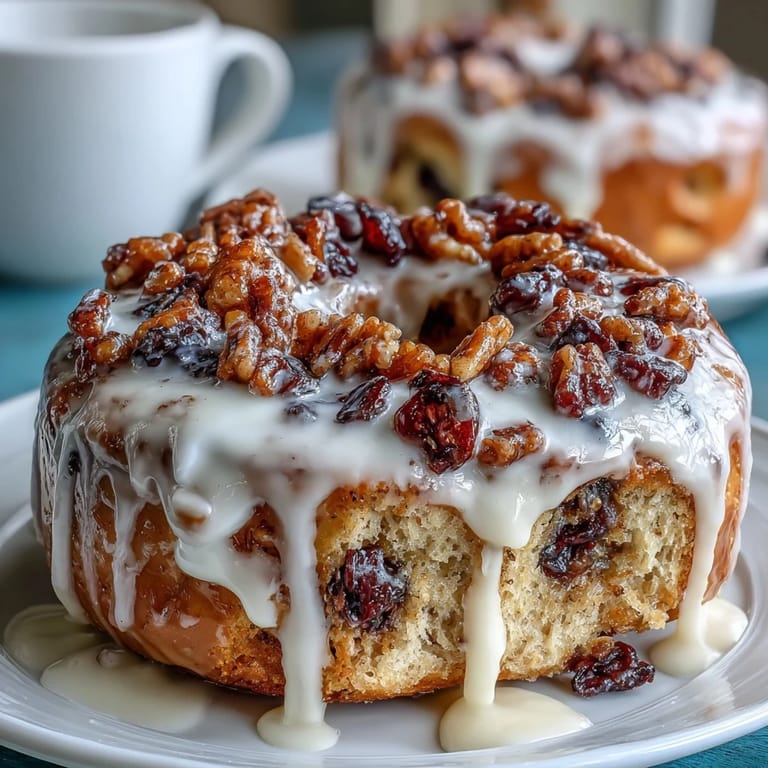
 My kitchen smelled like a cinnamon factory the morning I first tried making bagels with protein powder mixed in. I'd been staring at a tub of vanilla whey sitting on my counter for weeks, wondering how to make it taste like something other than a smoothie, when it hit me—why not bagels? The dough came together softer than I expected, studded with plump raisins that sweetened every bite, and when they emerged from the oven with that deep golden crust, my roommate actually paused mid-coffee to ask what smelled so good.
I brought a batch to my sister's place on a Saturday morning, still warm in a cloth-lined basket, and watched her close her eyes after the first bite. She asked if I'd bought them from somewhere fancy, and when I told her I'd made them, she got that skeptical look until I showed her the protein powder in the ingredient list. That's when something shifted for both of us—suddenly protein-packed breakfast didn't feel like deprivation.
Ingredients
- Bread flour (3 ½ cups): This is your secret to that chew and structure that makes a bagel actually feel like a bagel, not just a hole-punched dinner roll.
- Vanilla whey protein powder (¾ cup): Choose a quality brand you'd actually drink because the flavor matters here; this isn't the place to use that mysterious tub from two years ago.
- Instant yeast (2 ¼ tsp): Make sure it's fresh and store it in the fridge if you bake infrequently, because dead yeast means dense bagels and broken dreams.
- Warm water (1 ¼ cups at 110°F): Too hot and you'll kill the yeast; too cold and nothing happens, so grab a thermometer if you have one or use the baby-bottle-on-your-wrist test.
- Honey or maple syrup (2 tbsp): This feeds the yeast and adds subtle sweetness that balances the cinnamon beautifully.
- Ground cinnamon (1 tbsp): Use the good stuff you actually enjoy eating, not the dusty tin hiding in the back of your spice cabinet.
- Salt (1 ½ tsp): This strengthens the gluten network and prevents the dough from rising too fast and becoming all air and no substance.
- Raisins (¾ cup): Plump them in warm water for five minutes before adding if you like them extra soft and juicy, though I usually skip this step and toss them in as-is.
- Water for boiling (2 quarts) with honey (1 tbsp): The boil is what creates that bagel texture, and the honey adds a subtle sweetness to the crust.
- Greek yogurt (½ cup): Use full-fat or 2% for the creamiest glaze; non-fat tends to split and look curdled.
- Powdered sugar (2 tbsp): Just enough to sweeten without making the glaze cloyingly sweet.
- Vanilla extract (½ tsp) and cinnamon pinch: These tie the glaze back to the bagel itself, creating a cohesive flavor story.
Tired of Takeout? 🥡
Get 10 meals you can make faster than delivery arrives. Seriously.
One email. No spam. Unsubscribe anytime.
Instructions
- Wake up the yeast:
- Mix warm water, yeast, and honey in your bowl and wait about five minutes until it gets foamy and smells alive. This proves your yeast is working before you commit all your flour to the project.
- Build the dough:
- Stir in flour, protein powder, cinnamon, and salt until you've got a shaggy mass that barely holds together. Don't overthink it yet; you're just combining dry and wet.
- Knead and fold in raisins:
- Work the dough by hand or with a mixer for about eight to ten minutes until it's smooth and bounces back when you poke it. Add the raisins near the end so they don't get pulverized into the dough.
- First rise:
- Oil a bowl, plop your dough inside, cover it with a damp cloth, and let it sit somewhere warm for forty-five minutes. You're looking for it to roughly double; use a gentle poke test rather than obsessing over exact time.
- Shape the bagels:
- Punch down the dough (yes, it's therapeutic), divide it into eight equal pieces, roll each into a tight ball, then poke a hole in the center with your thumb and stretch it out gently like you're holding a tiny bagel universe. The hole should be about two inches across because it shrinks during boiling.
- Prepare for the boil:
- Preheat your oven to 425°F and line a baking sheet with parchment paper. Bring your water and honey to a gentle boil in a large pot; the honey subtly sweetens the exterior.
- Boil the bagels:
- Working with one or two bagels at a time, drop them gently into the simmering water and let them sit for forty-five seconds per side. They should sink first, then bob to the surface—that's when you flip them.
- Bake until golden:
- Transfer the boiled bagels to your prepared baking sheet and slide them into the oven for eighteen to twenty minutes until the tops are deep golden brown. They'll look dark but won't taste burned, I promise.
- Make the glaze:
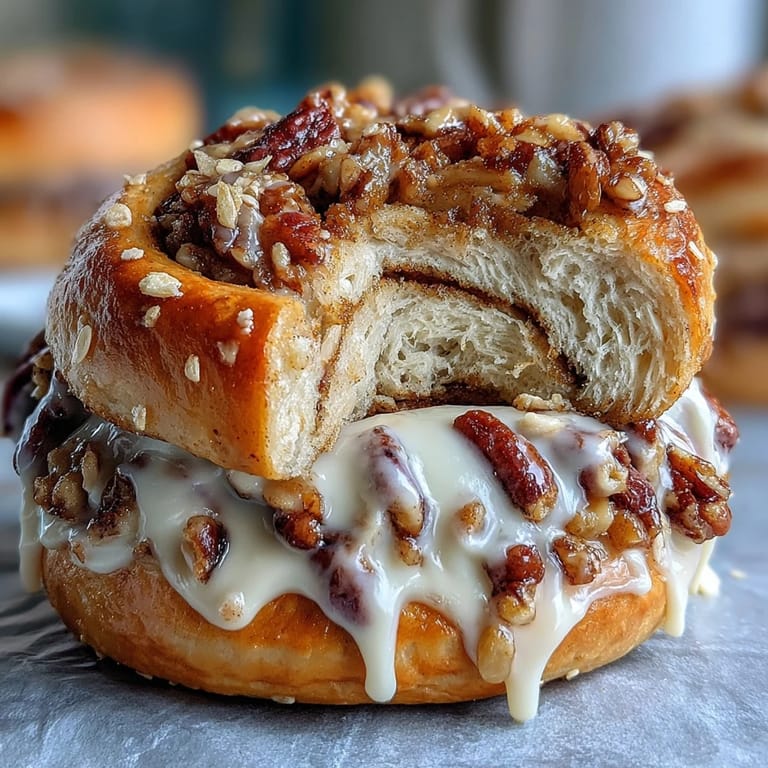
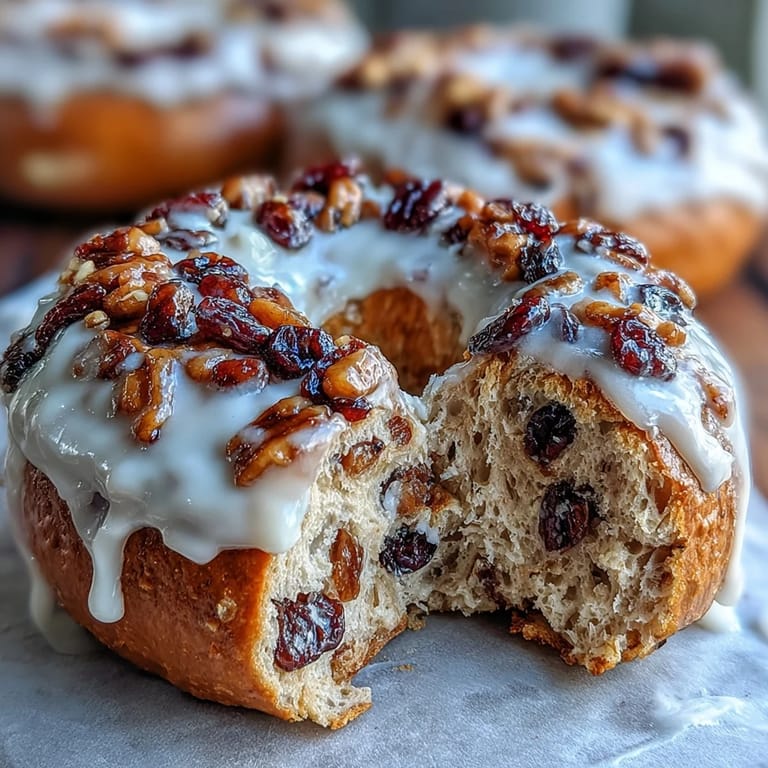
- While bagels cool, whisk together Greek yogurt, powdered sugar, vanilla, and a pinch of cinnamon until completely smooth. Taste it and adjust sweetness to your preference before drizzling over the cooled bagels.
 Pin to Board
 There was a moment when I pulled these bagels from the oven and sliced one open to find those raisins perfectly distributed throughout, still chewy, not baked into hardness, and I realized this wasn't just a protein hack—it was actually a complete breakfast that tastes like you care, which I guess is the whole point of cooking anything from scratch.
Why the Boil Matters More Than You Think
The boiling step is what separates a bagel from a glorified dinner roll, and I learned this the hard way by skipping it exactly once. Boiling gelatinizes the starch on the outside, creating that signature chewy exterior while keeping the inside tender, and the brief bath in hot water actually stops the rise so your bagel stays dense and satisfying instead of becoming puffy and bread-like. Think of it as a quick spa treatment for your dough—necessary, transformative, and over in seconds.
Customizing Your Flavor Adventure
Once you've nailed the basic formula, this recipe becomes your playground. I've swapped the raisins for chopped dates (which caramelize slightly in the boil), tried dried cranberries mixed with coconut flakes, and even did a batch with chopped pecans and maple flavoring instead of vanilla in the glaze. The protein powder is flexible too—chocolate whey makes incredible bagels with a chocolate cream cheese glaze, and if you ever find a good birthday cake or vanilla chai flavored powder, those sing here.
Storage and Make-Ahead Magic
These bagels freeze beautifully for up to three months, which means you can make a full batch on a lazy Sunday and have breakfast sorted for weeks. I always let them cool completely, wrap each one individually in plastic wrap, then toss them in a freezer bag, and when I need one, I just pop it in the toaster oven for about six minutes while it's still frozen. The glaze is best made fresh the morning you serve them, but you could definitely whisk it together the night before and store it covered in the fridge.
- Reheat frozen bagels in a 350°F oven for six to eight minutes instead of the toaster, which keeps them from drying out.
- If you're really organized, you can boil and freeze the bagels before baking, then bake directly from frozen (just add a couple extra minutes).
- Fresh bagels taste best within two days, but they stay soft for up to five days in an airtight container at room temperature.
 Pin to Board
 These bagels turned what used to be a guilty-pleasure breakfast into something I feel genuinely good about eating. They're the kind of recipe that reminds you that healthy eating doesn't have to taste like discipline.
Common Questions
- → How do I ensure bagels are soft and chewy?
Using bread flour and kneading the dough thoroughly helps develop gluten for that signature chewiness. A proper rise and boiling step also create the perfect texture.
- → Can I substitute raisins for other dried fruits?
Yes, dried cranberries or chopped dates work well and add different flavor dimensions while maintaining sweetness.
- → What’s the purpose of boiling the bagels before baking?
Boiling sets the crust, creating a chewy exterior and helping the bagels retain moisture inside during baking.
- → How can I make a dairy-free glaze alternative?
Replacing Greek yogurt with coconut yogurt while keeping the powdered sugar and vanilla creates a similar creamy glaze sans dairy.
- → Is it necessary to use protein powder in the dough?
The protein powder enhances nutrition and texture but can be omitted or replaced with additional flour for a classic dough style.