 Pin to Board
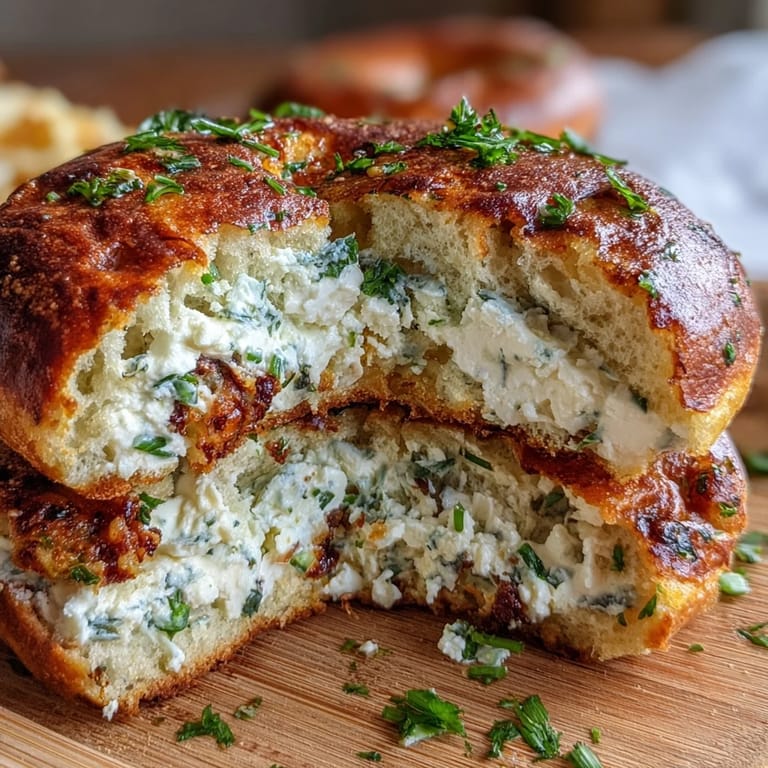
 My coworker brought these garlic herb bagels to our morning meeting, and I watched everyone's faces light up the moment they bit into one—that perfect chewy texture combined with savory herbs and a protein boost that actually made sense for breakfast. She'd been experimenting with adding whey protein to her dough after realizing her usual bagels left her hungry by mid-morning, and this was the result that finally stuck. The cottage cheese spread she paired with them was so simple yet so creamy, almost like a gourmet cream cheese but lighter and tangier. I asked for the recipe that same afternoon, and now I make them whenever I want to feel like I'm starting the day with intention rather than just grabbing whatever's convenient.
I made these for my running group one Saturday after an early route, and nobody could believe they were homemade bagels. Someone asked if I'd brought them from a bakery, which felt like the highest compliment possible—there's something about that chewy, slightly springy texture that just reads as professional, even though you're really just following straightforward steps and letting time do most of the work.
Ingredients
- Bread flour: This is the backbone of your chewy texture; all-purpose flour will give you something softer and less satisfying, so don't skip the upgrade.
- Unflavored whey protein powder: Choose a quality brand without weird additives, and make sure it's unflavored or vanilla at most—chocolate will throw everything off.
- Instant yeast: One packet is perfect here; use it straight from the package without activating separately.
- Warm water: The 110°F mark matters because too hot kills the yeast and too cool means they won't rise properly—use a thermometer if you're unsure.
- Dried mixed herbs: A blend of oregano, basil, and parsley creates that savory complexity without any single flavor dominating.
- Garlic powder: Two teaspoons gives you that noticeable garlic note without making the dough bitter.
- Cottage cheese: Full-fat works beautifully here, though 2% is fine if that's what you have; it creates that rich, spreadable texture.
- Fresh chives and parsley: These make the spread taste alive; dried herbs will taste sad and dusty by comparison.
- Lemon zest: Just a touch brightens everything up and prevents the spread from feeling heavy.
Tired of Takeout? 🥡
Get 10 meals you can make faster than delivery arrives. Seriously.
One email. No spam. Unsubscribe anytime.
Instructions
- Mix your dry ingredients:
- Combine the flour, protein powder, yeast, sugar, salt, herbs, and garlic powder in a large bowl—this way everything gets evenly distributed instead of clumping together later. Take a moment to smell it; that garlic-herb aroma is a hint of what's coming.
- Bring it together:
- Pour in the warm water and olive oil, then mix until you have a shaggy, rough dough that looks almost too wet to handle—that's exactly right. Don't worry about it being messy; that's what the next step fixes.
- Knead until smooth:
- Work the dough on a lightly floured surface for about eight minutes, using the heel of your hand to push it away from you, then fold it back. You'll feel it transform from sticky and loose to smooth and elastic; your hands will know when it's ready.
- Let it rise:
- Place the dough in an oiled bowl, cover it loosely with a towel, and tuck it somewhere warm for thirty to forty minutes until it's roughly doubled—a turned-off oven with the light on works perfectly. Set a timer because it's easy to lose track, and over-proofed dough collapses when you try to shape it.
- Preheat and prep:
- Get your oven to 425°F and line a baking sheet with parchment paper while the dough finishes rising. This way you're ready to move quickly once you start shaping.
- Shape your bagels:
- Punch down the puffy dough, divide it into six roughly equal pieces, and roll each into a tight ball—pretend you're creating a smooth surface. Poke your thumb through the center of each ball and gently stretch it into a bagel shape with a hole about the size of your pinky finger.
- Prepare the boiling water:
- Bring two quarts of water to a gentle boil and stir in the honey and baking soda—the baking soda helps create that characteristic bagel crust. You want the water at a steady boil but not a violent rolling one.
- Boil each bagel:
- Carefully drop a bagel into the water and let it sink, then flip it after about forty-five seconds and boil the other side for the same time—it should puff slightly. Use a slotted spoon to fish it out and place it on your parchment-lined baking sheet.
- Bake until golden:
- Once all bagels are boiled and arranged on the sheet, bake them for eighteen to twenty minutes until they're golden brown and sound slightly hollow when you tap them. The kitchen will smell absolutely incredible at this point.
- Make your spread:
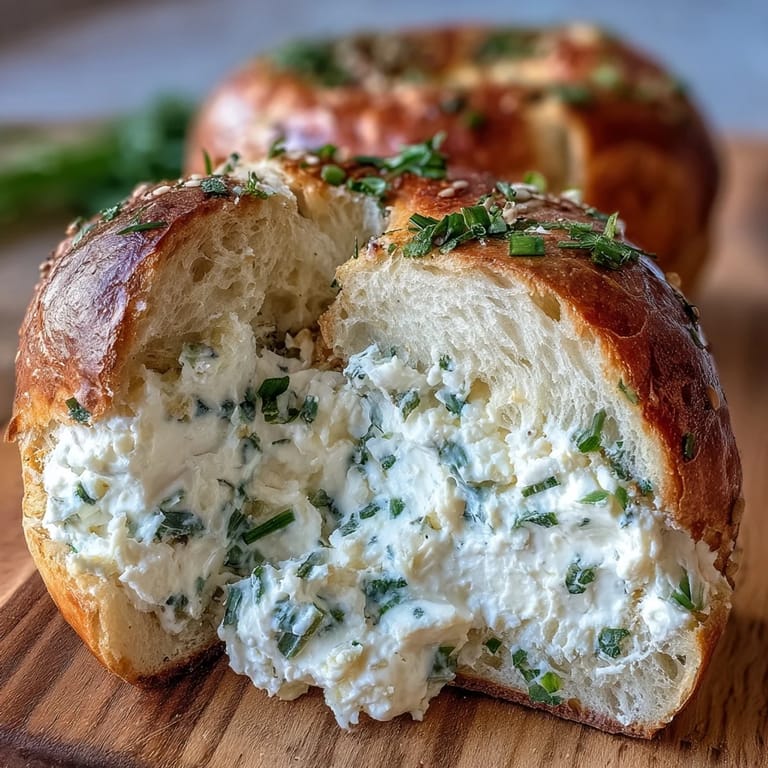
- While they bake, combine the cottage cheese, chives, parsley, minced garlic, and lemon zest in a bowl, then season with salt and pepper to taste. If you like it creamier, pulse it in a food processor for a minute or two.
- Finish and serve:
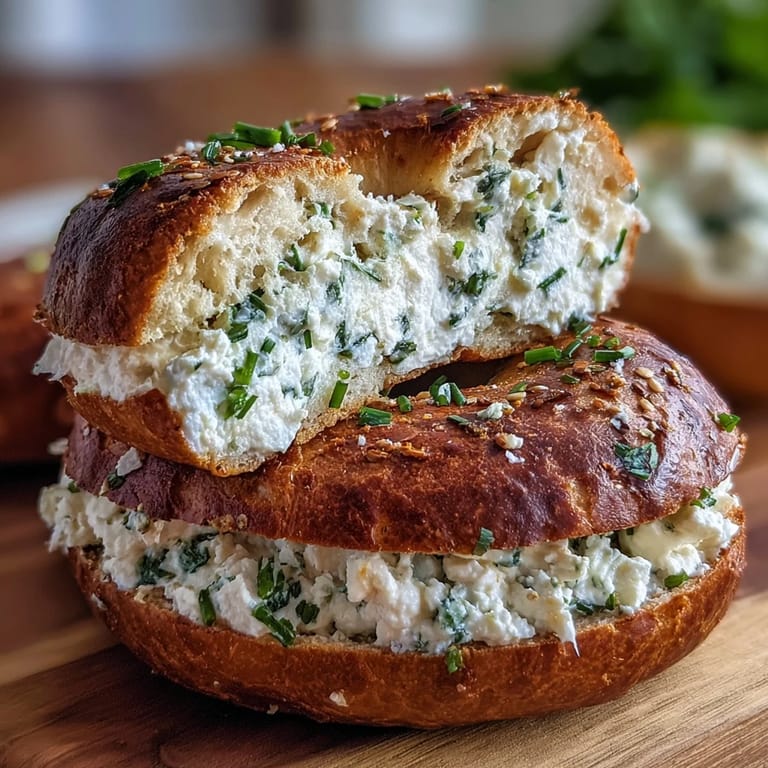
- Let the bagels cool on a rack for at least five minutes—they're still cooking with residual heat—then slice and spread generously. Eat one while it's still slightly warm if you want the full experience.
 Pin to Board
 There was a quiet moment when my partner took the first bite, paused, and said, 'This is actually good'—the kind of simple honesty that meant more than any elaborate compliment. In that moment I realized why I keep making these: it's not about impressing anyone, it's about creating something that tastes intentional and makes people feel taken care of.
The Protein Powder Secret
Adding whey protein to bagel dough was counterintuitive at first—I worried it would make them tough or weird-tasting, but it actually improves the structure and gives you a dough that's easier to work with. The protein helps the dough hold moisture, which means your bagels stay chewy longer, and it adds genuine nutritional value instead of making you feel like you're eating empty calories. This isn't a fitness gimmick; it's genuine kitchen chemistry that happens to align with eating better.
Why the Cottage Cheese Spread Works
Cottage cheese spread might sound weird if you're used to cream cheese, but it's tangier, lighter, and costs half as much while tasting just as indulgent. The fresh herbs and lemon zest prevent it from tasting plain or institutional, transforming simple cottage cheese into something that feels restaurant-quality. I've served it to people who swore they didn't like cottage cheese, and they came back asking for the recipe.
Variations That Actually Work
Once you understand the base formula, these bagels become a playground for creativity without losing their integrity. I've added everything from everything bagel seasoning to sun-dried tomato bits, and they've all worked beautifully because the foundation is so solid. The cottage cheese spread takes to additions equally well—try roasted red peppers, dill, or even a touch of horseradish if you're feeling adventurous.
- Sprinkle sunflower or pumpkin seeds on top before baking for a textural contrast that feels fancy but takes zero extra effort.
- For a sweeter version, reduce the garlic powder and herbs by half, then add a tablespoon of honey to the dough and dust the finished bagels with cinnamon sugar.
- Make the spread ahead and keep it in the fridge for up to three days, so you can have fresh bagels with zero morning stress.
 Pin to Board
 These bagels have become my answer to 'what can you bring' questions because they're reliable, impressive, and genuinely nourishing in a way that feels modern without being precious. Once you've made them once, they become easier every time, and you'll find yourself reaching for this recipe over and over.
Common Questions
- → How does adding protein powder affect the bagels?
Incorporating whey protein powder increases the nutritional value while maintaining a soft and chewy texture in the bagels.
- → Why boil the bagels before baking?
Boiling with honey and baking soda creates a chewy crust and helps the bagels develop their classic shiny appearance.
- → Can I substitute dried herbs with fresh ones?
Fresh herbs can be used but should be finely chopped and adjusted in quantity to avoid excess moisture in the dough.
- → What is the role of lemon zest in the spread?
Lemon zest adds a bright, fresh note that balances the richness of cottage cheese and garlic in the spread.
- → How can I add extra crunch to the bagels?
Sprinkle sunflower or pumpkin seeds on top before baking to introduce a pleasant crunchiness.