 Pin to Board
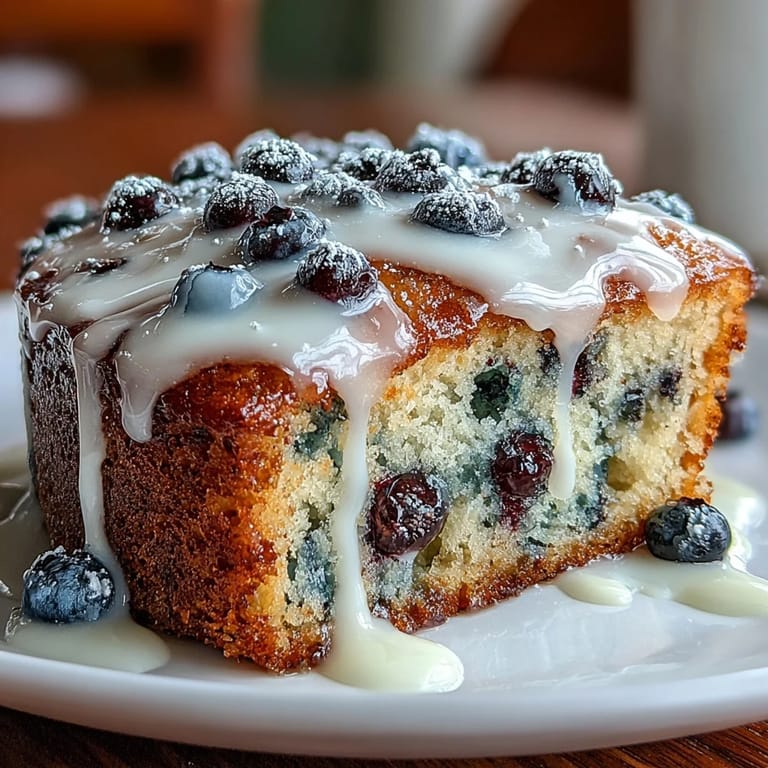
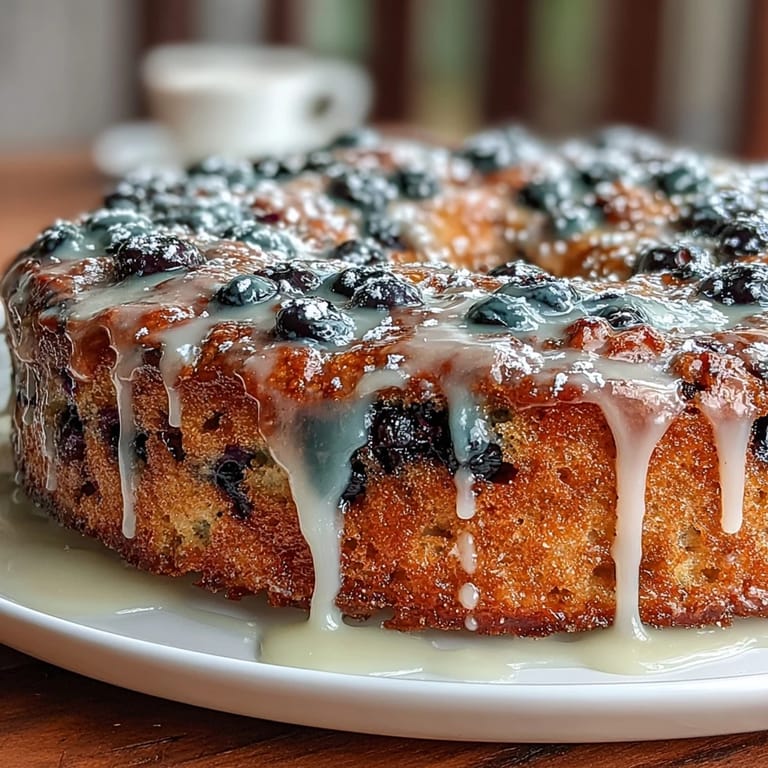
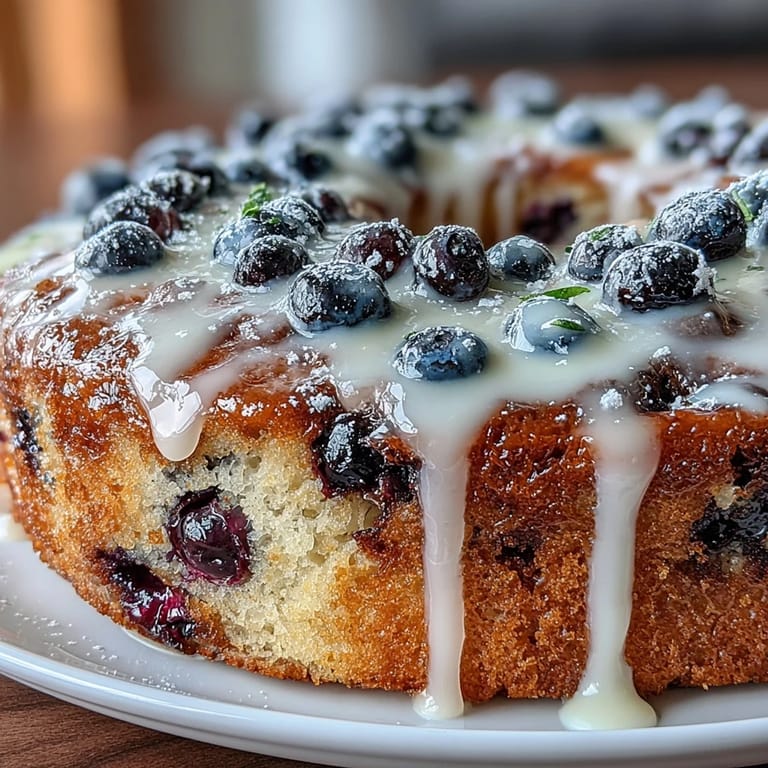
 There's something wonderfully unexpected about baking with sourdough starter in a dessert. I'd been feeding my starter for months, tossing out discard by the handful, when a friend casually mentioned she baked her morning cake right in a cast iron skillet. That same week, I had bright blueberries from the farmers market and three lemons taking up space in my crisper drawer. What emerged from the oven was this tousled, golden cake that tasted both tender and complex—the starter adding a subtle tang that made the lemon sing louder than it had any right to.
I made this cake on a gray Saturday in late spring when my neighbor dropped by with her daughter, and they stayed for an hour just eating warm slices with their hands, lemon drizzle pooling on the plate. The girl, maybe eight, asked if the blue bits were magic because they tasted like summer. That's when I knew this cake was worth repeating, not because the technique was complicated, but because it created a moment worth remembering.
Ingredients
- All-purpose flour: One cup gives you structure without density; it's the foundation that lets the tender crumb shine.
- Unsalted butter: Half a cup, softened to room temperature, creams into the sugar and carries the lemon flavor throughout—cold butter won't blend properly.
- Granulated sugar: Three-quarters of a cup sweetens the cake while the butter creams it into tiny air pockets that keep everything light.
- Large eggs: Two eggs bind everything together and add richness; room temperature eggs mix more smoothly into the batter.
- Active sourdough starter: Half a cup of your unfed discard adds moisture, tang, and complexity that commercial leavening can't replicate.
- Whole milk: A quarter cup thinned the batter to the right consistency and keeps the crumb tender rather than cakey.
- Vanilla extract: One teaspoon rounds out the citrus and adds warmth beneath the brightness.
- Lemon zest and juice: The zest from one lemon plus two tablespoons of juice are where the personality comes from—don't skip either one.
- Baking powder and baking soda: One teaspoon and a quarter teaspoon respectively work together to lift the batter gently.
- Salt: A quarter teaspoon anchors all the flavors and prevents the cake from tasting flat.
- Fresh blueberries: One and a quarter cups, plus extras for the top; they burst and stain the crumb if you let them, which is exactly what you want.
- Powdered sugar and lemon juice for the icing: Half a cup powdered sugar with one to two tablespoons lemon juice creates an icing that's thick enough to drizzle but thin enough to pool.
Tired of Takeout? 🥡
Get 10 meals you can make faster than delivery arrives. Seriously.
One email. No spam. Unsubscribe anytime.
Instructions
- Heat your oven and prep the pan:
- Set your oven to 350°F and grease a 10-inch cast iron skillet generously with butter or nonstick spray, making sure to coat the sides. If you don't have cast iron, any oven-safe skillet works, though cast iron holds heat beautifully and gives you edges that crisp just slightly.
- Mix your dry ingredients:
- Whisk together flour, baking powder, baking soda, and salt in a medium bowl and set it aside—this prevents lumps and distributes the leavening evenly through the batter.
- Cream butter and sugar until fluffy:
- Beat softened butter and granulated sugar for about two to three minutes until the mixture looks pale and fluffy, which means you've beaten in air that will lighten the finished cake. This step matters more than you might think.
- Add eggs one at a time:
- Drop in one egg, beat it in completely, then add the second; this gradual approach helps everything emulsify smoothly instead of looking curdled and broken.
- Add vanilla, lemon zest, lemon juice, and sourdough starter:
- Stir in the vanilla, then the bright lemon zest, followed by the lemon juice, and finally the sourdough starter until it's just combined. You'll notice the batter smells tangy already, which is perfect.
- Alternate flour mixture and milk:
- Add half the flour mixture, stir gently until just incorporated, pour in the milk, then add the remaining flour mixture and fold together—overmixing develops gluten and makes the cake tough, so stop as soon as streaks disappear.
- Fold in blueberries carefully:
- Use a spatula to fold in the blueberries at the very end, using broad, gentle strokes and trying not to crush them; a few broken berries are fine, but you want most of them to stay whole so they burst during baking instead of before.
- Pour into skillet and bake:
- Spread the batter evenly in your prepared skillet, scatter a few extra blueberries on top if you'd like, and bake for 30 to 35 minutes until the top is golden brown and a toothpick inserted in the center comes out clean or with just a few moist crumbs clinging to it.
- Cool and prepare the icing:
- Let the cake rest in the skillet for 15 minutes—this lets it set enough to hold together when you eventually slice it—then whisk powdered sugar with lemon juice until you have a thick but pourable consistency that will drizzle down the sides.
- Finish with icing and serve:
- Drizzle the lemon icing over the warm or room-temperature cake, letting it pool naturally into the crevices and run down the sides, then slice and serve.
 Pin to Board
 What struck me most was how quickly this cake brought people together, the way a warm dessert still steaming from the oven can do. It wasn't fancy or complicated, just honest and generous, with the kind of flavor that tastes like someone actually cared about what they were making.
The Cast Iron Difference
I've baked this cake in both a regular 9-inch round pan and a cast iron skillet, and there's a real difference. Cast iron distributes heat more evenly and retains it longer, giving you a cake with a slightly crispier edge and a more reliably tender center. The skillet also makes it feel more casual and rustic when you bring it to the table, like you're sharing something made in a real kitchen with real hands, not plated on some Instagram-perfect china. If you only have regular cake pans, it'll still work beautifully—just expect a gentler top and sides.
Playing with Flavors
The lemon and blueberry pairing is classic and wonderful, but this cake is flexible enough to bend to your moods. I've made it with orange zest and juice instead of lemon and served it with a honey drizzle, and I've topped the batter with coarse sugar and sliced almonds for texture before baking, which adds a pleasant crunch that contrasts the tender crumb. The sourdough starter is the real anchor here—it's forgiving and works with almost any citrus, and even a handful of raspberries instead of blueberries tastes lovely.
Serving Suggestions and Storage
This cake is delicious warm from the skillet with a dollop of whipped cream or a scoop of vanilla ice cream melting into it, but it's equally good at room temperature the next day with a cup of tea. Store it covered on the counter for up to two days or wrapped loosely in the refrigerator for up to four days, and if you're feeling generous, it freezes beautifully for up to three months—just wrap it tightly before the icing sets.
- Serve warm with whipped cream or vanilla ice cream for the full effect.
- Pack leftover slices in parchment paper for easy lunchbox snacking.
- The icing will soften slightly as it sits, so drizzle it just before serving if you want it to stay crispy.
 Pin to Board
 This cake somehow tastes better when you know you made it with things you already had on hand, turning sourdough discard and farmer's market blueberries into something worth setting down on a table and sharing. Make it once and you'll find yourself making it again, just to feel that small, quiet satisfaction of pulling something warm and golden and fragrant from the oven.
Common Questions
- → Can frozen blueberries be used instead of fresh?
Yes, frozen blueberries work well if used directly without thawing to prevent excess moisture.
- → What is the role of sourdough starter in this cake?
The sourdough starter adds a subtle tang and depth of flavor while enhancing the cake’s moisture.
- → How do I know when the cake is fully baked?
Insert a toothpick into the center; it should come out clean when the cake is done.
- → Can I substitute orange zest and juice for lemon?
Yes, orange zest and juice provide a lovely citrus variation with a sweeter profile.
- → What type of skillet is best for baking this cake?
A 10-inch oven-safe cast iron skillet is ideal for even baking and rustic presentation.
- → How should the icing drizzle be prepared?
Whisk powdered sugar with fresh lemon juice until thick yet pourable, then drizzle over cooled cake.