 Pin to Board
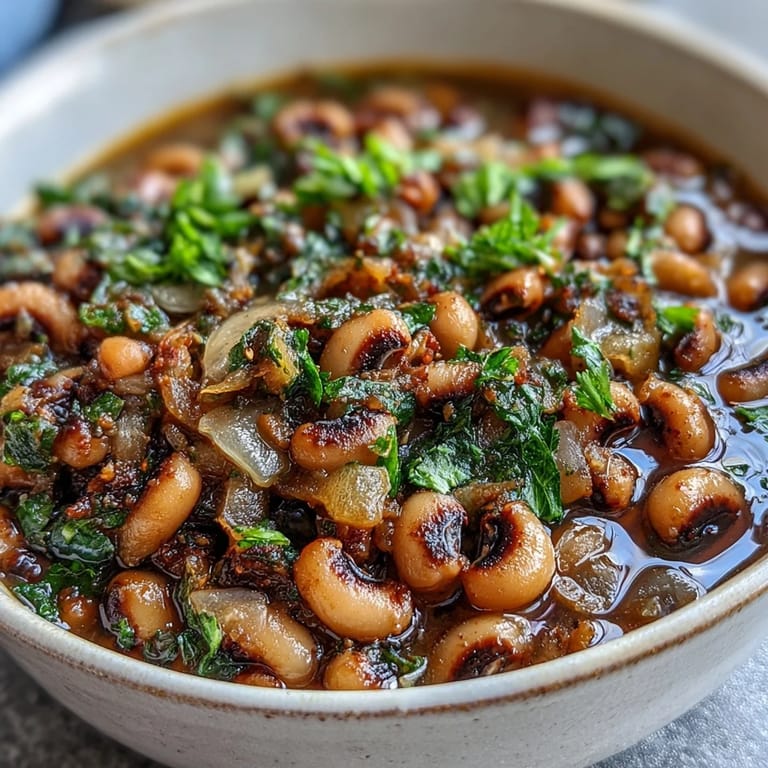
 There's something about opening a freezer door on a Wednesday night and finding exactly what you need that feels like a small victory. Black-eyed peas were never on my radar until a coworker brought them to a potluck, and I watched people go back for thirds of this humble side dish. She whispered that her secret was using frozen peas and not overthinking it, which immediately appealed to my weeknight-survival instincts. Now I keep a bag stashed away, knowing that in under 30 minutes, I can have something that tastes like it simmered for hours. It's become my go-to when I want to feel like I've actually cooked.
I made this for my sister's family on Easter when she asked me to bring a side, and her kids actually asked for seconds—not out of politeness, but because they genuinely wanted more. Watching my picky nephew eat something green and legume-based without complaint was a moment I didn't expect to treasure, but there it was. It hit me that sometimes the simplest dishes create the most unexpected wins.
Ingredients
- Frozen black-eyed peas (2 cups) or canned: Frozen ones stay plump and cook evenly, saving you the overnight soaking that dried peas demand—this is why I always choose them when I'm short on time.
- Olive oil (1 tablespoon): Use a good quality oil because you can taste it in such a simple dish, and it's your only fat here.
- Small onion, finely chopped: The fine chop means it dissolves into the broth and seasons everything evenly, like building flavor from the ground up.
- Garlic (2 cloves, minced): Don't skip the mincing step—chunky garlic can overpower or not distribute, and you want it whispered throughout, not shouted.
- Vegetable or chicken broth (1 ½ cups): This is your liquid gold, so taste it before you add it; if it's salty, use less and adjust at the end.
- Smoked paprika (½ teaspoon): This is the flavor game-changer that makes people think you've been cooking all afternoon, so don't substitute it for regular paprika.
- Dried thyme (½ teaspoon): Dried thyme works beautifully here because it infuses the whole pot rather than floating as leaves you'd have to fish out.
- Black pepper (¼ teaspoon) and salt (½ teaspoon): Start conservative; you can always add more, but you can't take it back once it's in.
- Bay leaf (1): This one leaf does heavy lifting, adding an almost floral note that ties everything together—absolutely remove it before serving.
- Diced tomatoes (½ cup, optional): Canned tomatoes actually work better than fresh here because they break down and release their acidity, brightening the whole pot.
- Cayenne pepper (¼ teaspoon, optional): Save this for those who want heat; you can sprinkle it individually rather than committing the whole batch to spice.
- Fresh parsley (2 tablespoons, chopped): This is your color pop and your reminder that fresh herbs exist—add it just before serving so it stays vibrant.
Tired of Takeout? 🥡
Get 10 meals you can make faster than delivery arrives. Seriously.
One email. No spam. Unsubscribe anytime.
Instructions
- Heat your base:
- Pour the olive oil into a medium saucepan and let it warm over medium heat until it shimmers slightly. This takes maybe a minute, but don't rush it—the oil needs to be ready to carry the onion's sweetness into the pan.
- Soften the onion:
- Add your finely chopped onion and stir it around for about 3 to 4 minutes until it turns translucent and soft. You'll hear it sizzle gently, and the kitchen will start to smell like something good is happening.
- Wake up the garlic:
- Toss in your minced garlic and stir constantly for just 30 seconds—this is the only moment garlic needs your full attention, or it'll burn and taste bitter. The aroma that hits you is your signal that it's time to move on.
- Bring it all together:
- Add the black-eyed peas, broth, smoked paprika, thyme, pepper, salt, bay leaf, and tomatoes if you're using them. Stir everything so the seasonings distribute evenly and nothing sticks to the bottom.
- Let it simmer:
- Bring the whole pot to a gentle simmer, then cover it and let it bubble quietly for 15 to 18 minutes. Stir occasionally so the flavors keep mingling, and the kitchen will smell like a Southern grandmother's house.
- Taste and finish:
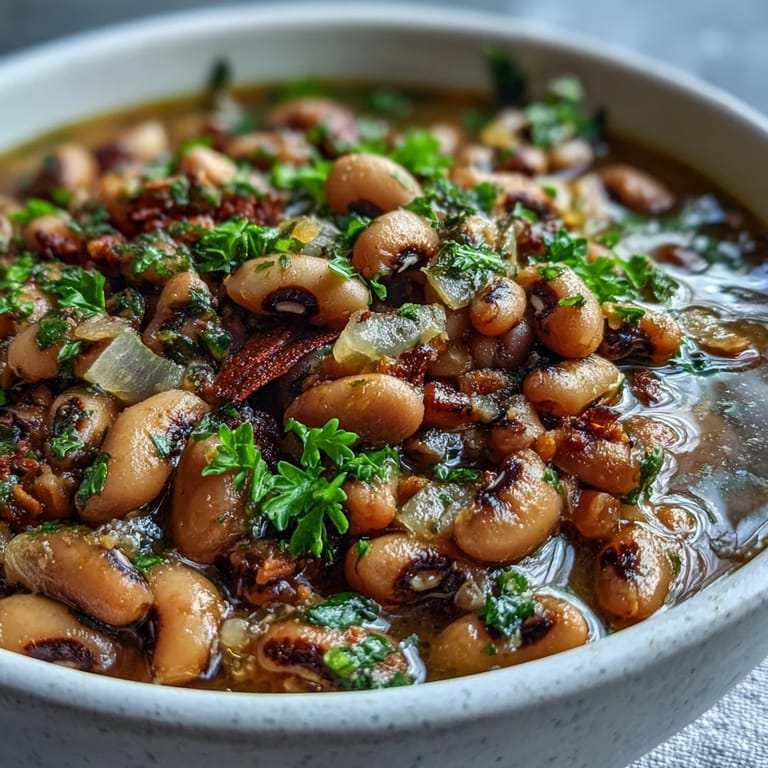
- Fish out the bay leaf with a spoon, then taste what you've made. This is your moment to adjust salt or pepper, add a pinch of cayenne if you want heat, or stir in that fresh parsley for color and freshness.
 Pin to Board
 Last winter, I made this on a Friday when I was too tired to think, and somehow it became the dish my partner requests. Now it sits in our regular rotation, proof that sometimes the best kitchen wins aren't about complexity but about knowing exactly what you're doing with five ingredients and 25 minutes.
Why Frozen Peas Win Every Time
Frozen black-eyed peas are not a shortcut that compromises quality—they're actually your secret weapon for consistent cooking. Unlike dried peas that need overnight soaking and guessing how long to cook, frozen ones are already partially cooked and ready to merge their flavors with whatever's in the pot. I've tested both, and honestly, frozen wins because you're not managing water levels or worrying about some peas staying hard while others turn to mush.
The Smoked Paprika Question
Smoked paprika changed my entire approach to simple side dishes because it adds depth that makes people think you've been cooking since morning. It's a Spanish spice that tastes like oak smoke and earth, and just half a teaspoon is enough to transform frozen peas into something that feels intentional and special. I keep it front and center in my spice cabinet now, not buried in the back.
Serving and Stretching Your Batch
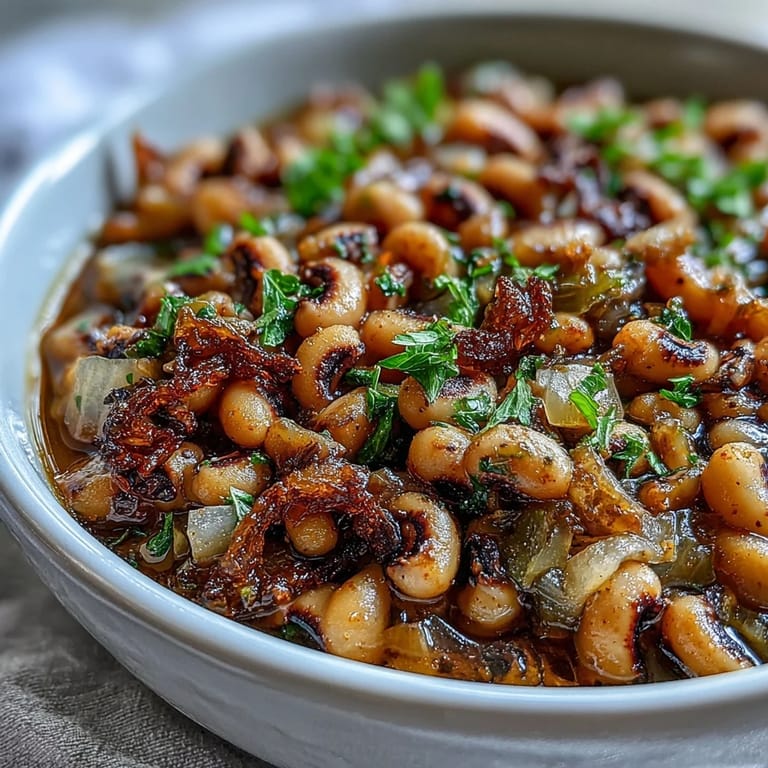
This dish feeds four as a proper side, but it also reheats beautifully and tastes even better the next day when flavors have settled in. I've served it alongside cornbread, spooned it over rice, and even packed it cold into lunch containers where it acts like its own little flavor bomb. Here's what I've learned works best:
- Serve it warm with cornbread and a simple green salad for a meal that feels Southern and complete.
- If you're adding ham or bacon, crisp it separately first, then fold it in at the end so it stays textured and doesn't disappear into the broth.
- Store leftovers in an airtight container in the fridge for up to four days, and reheat gently on the stove with a splash of broth if it's thickened too much.
 Pin to Board
 This is the recipe I reach for when I want proof that good cooking doesn't require hours or a long ingredient list. It's earned its place as proof that sometimes the simplest dishes, made with intention and a little smoked paprika, are exactly what you need.
Common Questions
- → Can I use canned black-eyed peas instead of frozen?
Yes, canned black-eyed peas work perfectly. Use two cans, drained and rinsed. Reduce cooking time to 10-12 minutes since canned peas are already tender.
- → How do I store leftovers?
Store cooled peas in an airtight container in the refrigerator for up to 4 days. Reheat gently on the stovetop with a splash of broth or water.
- → Can I make this dish spicier?
Absolutely. Add ¼ teaspoon cayenne pepper with the other seasonings, or include diced jalapeño when sautéing the onions for extra heat.
- → What's the best way to serve these black-eyed peas?
Serve over steamed rice, alongside cornbread, or as part of a Southern spread with collard greens and fried okra. They also complement grilled meats beautifully.
- → Can I freeze this dish?
Yes, freeze in airtight containers for up to 3 months. Thaw overnight in the refrigerator and reheat on the stovetop, adding broth if needed to restore consistency.