 Pin to Board
 The smell of bacon sizzling in cast iron hits different on a chilly evening, especially when you know what's coming next. My neighbor brought over a pot of Texas black-eyed peas one January, and honestly, I was skeptical until the first spoonful hit my tongue—smoky, spiced, comforting in a way that felt almost dangerous. That night changed how I thought about humble ingredients and what you can build with patience and a big pot. Now whenever I make this, I'm chasing that exact feeling: the way the kitchen fills with cumin and smoked paprika, how the peas go from firm to creamy, and that moment when everyone gathers around asking for seconds.
I made this for a potluck last fall and watched people go back for thirds, swapping their planned dishes for another bowl of peas. One friend actually asked for the recipe right there at the table, and I remember feeling that quiet pride that comes from feeding people something real. It wasn't fancy or complicated, but it was honest, and that seemed to matter more than anything else that night.
Ingredients
- Dried black-eyed peas (1 pound): Rinsing and sorting them takes five minutes but saves you from biting into a stray pebble—worth every second of that quick prep work.
- Thick-cut bacon (8 ounces): Don't cheap out here; the rendered fat flavors everything, and thick-cut pieces stay crispy instead of turning to ash.
- Yellow onion (1 large): Finely chop it so it almost disappears into the pot, creating a sweet, caramelized base that holds the whole dish together.
- Garlic (4 cloves): Minced garlic wakes up the moment it hits hot bacon fat—you'll smell it and know you're doing something right.
- Jalapeños (2): Seed them for milder heat, or leave seeds in if you want your guests reaching for water; the choice is beautifully yours.
- Rotel tomatoes (2 cans): Those diced tomatoes with green chilies are the soul of this dish, bringing canned fire that tastes like home cooking.
- Chicken broth (6 cups): Low-sodium lets the spices shine without overpowering; you can always add salt at the end.
- Water (2 cups): This dilutes the broth just enough so the peas stay tender without turning to mush.
- Chili powder (2 teaspoons): The warm backbone of Texas flavor; don't skip it or substitute.
- Smoked paprika (1 teaspoon): This is where the bacon-without-bacon magic happens, layering smoke into every bite.
- Cumin (1 teaspoon): A pinch too much and it overwhelms; a pinch too little and something feels missing.
- Black pepper (1/2 teaspoon): Freshly ground if you can manage it, though any black pepper beats none.
- Salt (1 teaspoon): Taste as you go; broth is salty, so patience here prevents oversalting.
- Bay leaves (2): They simmer quietly in the background, adding a subtle earthiness you'll miss if you leave them out.
Tired of Takeout? 🥡
Get 10 meals you can make faster than delivery arrives. Seriously.
One email. No spam. Unsubscribe anytime.
Instructions
- Render the bacon first:
- Dice your thick-cut bacon and cook it low and slow in a large pot over medium heat—about six to eight minutes—until it's crackling and golden. The fat that stays behind is liquid gold; save every drop.
- Build your flavor base:
- Toss the chopped onion and diced jalapeños into that hot bacon fat and let them soften for four to five minutes, stirring occasionally. You want them tender and slightly caramelized, releasing their sweetness into the fat.
- Bloom the garlic:
- Add minced garlic and cook for one minute—that's all it takes before the aroma tells you it's done. Timing matters here; too long and it tastes bitter and burnt.
- Combine everything:
- Return the bacon to the pot, add your rinsed black-eyed peas, both cans of Rotel tomatoes with their juice, the chicken broth, water, and all your spices and bay leaves. Stir well so the seasonings distribute evenly and nothing sticks to the bottom.
- Bring to a boil, then go low and slow:
- Let it bubble up, then reduce the heat to low, cover the pot, and simmer for one full hour. Stir occasionally so nothing catches, and listen for the gentle bubbling that tells you it's working.
- Check and adjust cooking time:
- After an hour, bite a pea—it should be tender but not falling apart. If they're still firm, give them another ten minutes; if they're creamy, uncover the pot and let it simmer another twenty to thirty minutes to thicken the liquid.
- Taste and finish:
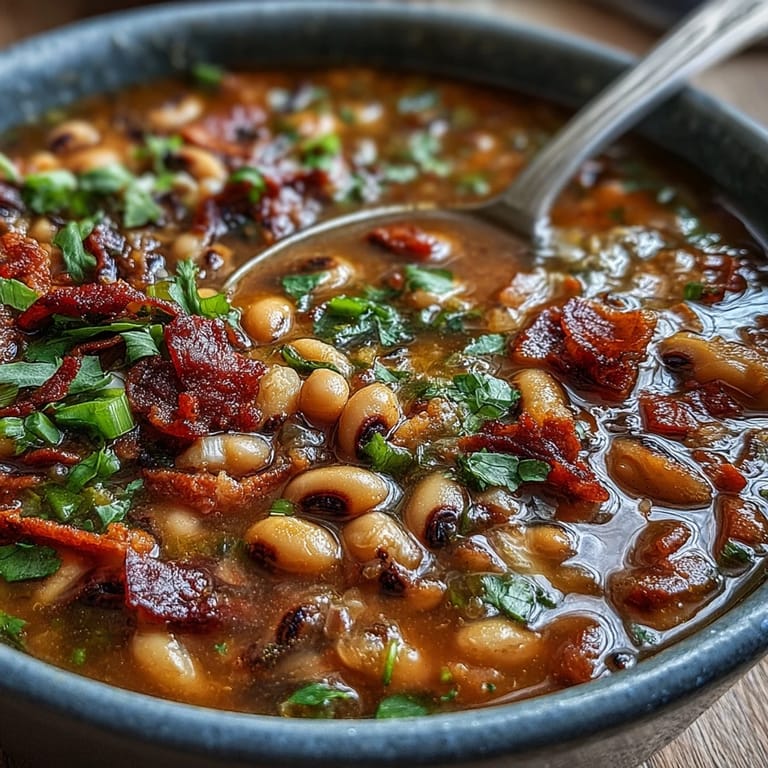
- Fish out the bay leaves, then taste the pot. Add salt if it needs it, or a pinch more chili powder if something feels flat. Serve hot with cilantro and green onions if you want color and freshness.
 Pin to Board
 There's something almost meditative about watching a pot of beans turn from ingredients into comfort, especially when people you love are about to eat what you've made. This dish has that quiet power; nothing fancy, but everything necessary.
The Bacon Fat Principle
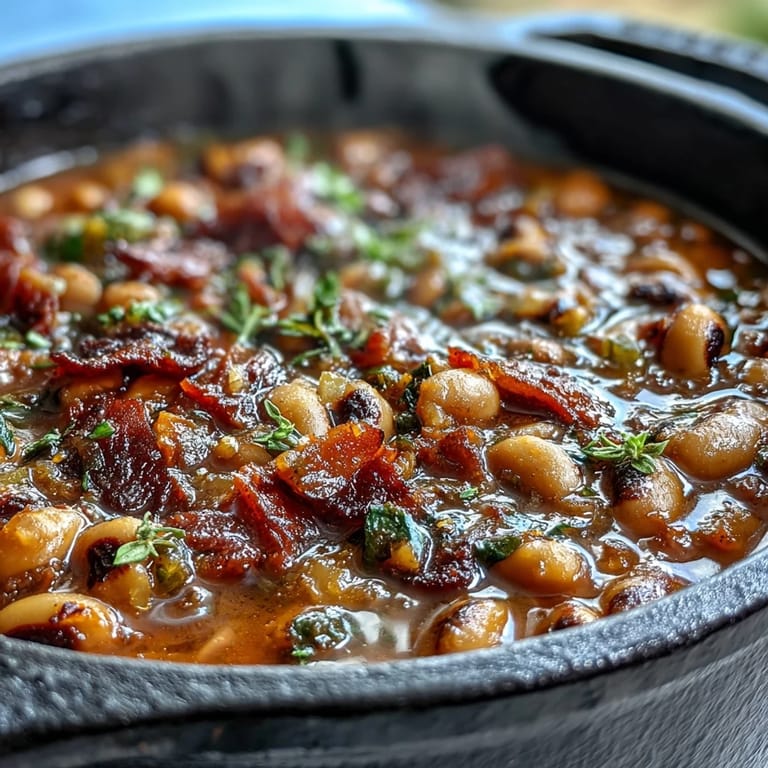
Learning to love bacon fat changed how I cook everything. In this pot of peas, it's not just a cooking medium—it's the foundation that makes onions sweet, garlic aromatic, and jalapeños mellow instead of harsh. That rendered fat carries flavor deeper into the dish than oil ever could, which is why you're not browning your aromatics in butter or neutral oil here. The bacon gives up its ghost so the peas can be their best self, and that's a lesson I've carried to other soups, stews, and braises. Once you understand this, you'll never cook the same way again.
Why This Tastes Like Texas
Rotel tomatoes might seem like a shortcut, but in Texas kitchens they're tradition—tangy, gently spiced, and already infused with green chilies that do half your seasoning work. Combined with smoked paprika, cumin, and chili powder, you're building layers of flavor that taste lived-in rather than fussy. The peas themselves are humble and starchy, exactly the canvas you need for bold spices to shine without competition. This isn't subtle cooking; it's generous, unapologetic, and warm—which is precisely what makes it so satisfying.
Feeding People and Leftovers
This recipe is built for abundance—eight servings that somehow feels like it could stretch further. Make it for a gathering, a quiet Sunday dinner, or a night when you want your kitchen to smell like you've been cooking all day without actually spending three hours on your feet. The magic happens on day two or three when the flavors have married together overnight in the refrigerator, and you're standing in front of an open fridge door with a spoon in your hand, stealing spoonfuls straight from the container.
- Cool leftovers completely before refrigerating, and they'll keep for four days without any quality loss.
- Reheat gently over medium heat with a splash of water or broth if the mixture has thickened too much.
- Freeze portions in airtight containers for up to three months and thaw overnight in the refrigerator before reheating.
 Pin to Board
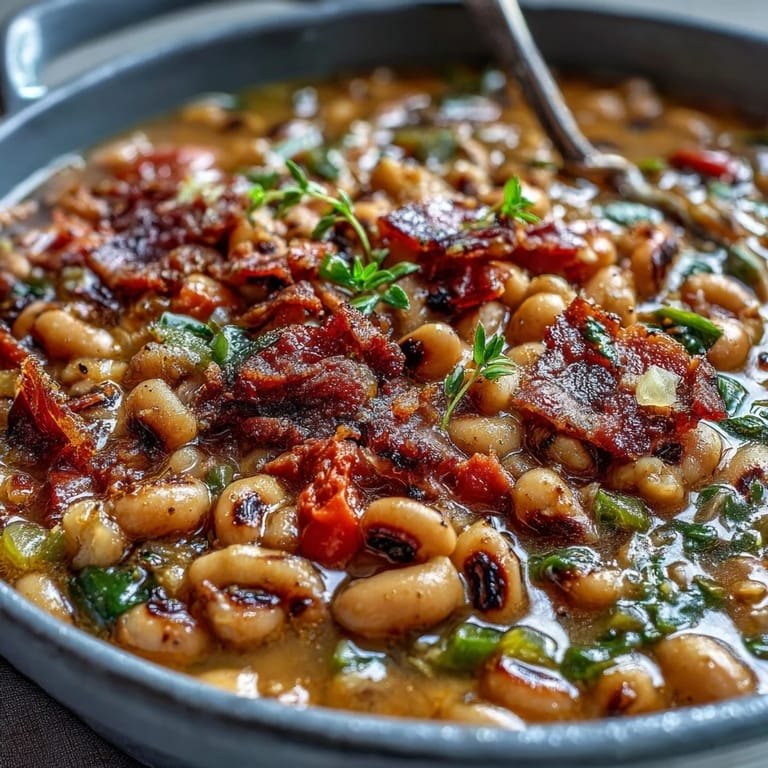
 A pot of black-eyed peas is one of those dishes that tastes even better when shared, so make extra and watch how quickly it disappears. There's real comfort in that kind of cooking.
Common Questions
- → Do I need to soak black-eyed peas before cooking?
No soaking required for this preparation. The long simmer time of 1-1.5 hours allows the dried peas to cook directly in the flavorful liquid, absorbing all the smoky and spicy notes while becoming tender and creamy.
- → Can I make this vegetarian?
Absolutely. Simply omit the bacon and use vegetable broth instead of chicken broth. Add extra smoked paprika or a few drops of liquid smoke to maintain that depth of flavor that the bacon fat would normally provide.
- → How spicy are these black-eyed peas?
With two jalapeños (seeds removed) and chili powder, the dish has a mild to medium heat level. For more spice, leave some seeds in the jalapeños or add cayenne. For less heat, reduce to one jalapeño.
- → What's the best way to serve Texas black-eyed peas?
These are traditionally served as a main dish alongside cornbread or over steamed white rice. They also work well as a side dish for grilled meats or as part of a larger Tex-Mex spread.
- → How long do leftovers keep?
Leftovers can be refrigerated for up to 4 days and actually improve in flavor as the ingredients continue to meld. The dish also freezes well for up to 3 months—just thaw and reheat gently.
- → Why are my black-eyed peas still hard after cooking?
If your peas remain tough after the recommended time, they may be old. Older dried legumes take longer to cook. Simply add more liquid and continue simmering until tender, checking every 15 minutes.